Bulk Towels
Bar Towels Bulk
Bar towels bulk and wholesale bar mops for restaurants, bars, hotel kitchens and catering teams.

A bar towel is a tool, not a guest item. It is used to wipe a counter, dry a glass, catch a spill, polish cutlery and mop a station, and the same towel is expected to do all of that hundreds of times a month. That is why the weave matters more than the weight, and why a bar programme is usually specified station by station rather than as one product.
The category splits into three weaves, and the split is functional. A bar mop is a looped terry cloth, absorbent and soft, used for spills and general wiping. A chime towel is a flat or herringbone woven cloth with a smooth surface, used for drying glasses and polishing, because a looped cloth leaves lint on glassware. A flat woven utility towel sits between the two and is used for counters and general service work.
Buying one weave for the whole bar is the common mistake. A looped terry towel will dry a glass badly and leave fibre behind; a flat chime towel will not hold a spill. The stations that need separating are usually the glass station, the service well, the pass and the kitchen, and most operators end up with two or three specifications rather than one.
HotelsLinen manufactures bar towels bulk in cotton and blended constructions from 500 pieces per style and colour. Buyers specify the weave, the size, the weight, the stripe colour, the packing count and the carton data, and we hold the specification across reorders.
Stripe colour coding is the other thing that separates a working bar programme from a generic towel order. A kitchen towel that has been used to wipe a raw surface must not end up on the glass station, and colour is the cheapest way to keep the two apart. The stripe or the border is woven in, so it survives laundering and cannot be washed off.
Bar towels wear out faster than guest towels because they are used more and washed harder. A towel in a busy bar may be washed daily and treated with a strong bleach, so the specification should be chosen against the number of cycles it has to survive and not against how it feels in the hand on day one.
Buyers are restaurants, bars and pubs, hotel food and beverage departments, catering companies, contract caterers, coffee shops and cafes, breweries and taprooms, and distributors supplying those markets. Orders are almost always repeat programmes, which is why consistency between batches is what most of these buyers are actually paying for.
Our factory is in the Nantong Home Textile Zone in Jiangsu, China, with weaving, dyeing, cutting, hemming, embroidery and packing in one supply chain. Orders start at 500 pieces per style and colour with a typical four-week lead time after the sample and specification are approved.
Bar mop, chime and flat weave — what the difference actually is
The three weaves look similar in a photograph and behave completely differently in use. This is the part of the specification worth getting right first.
Bar mop
A bar mop is a looped terry cloth, usually around 16 x 19 inches, with a heavier construction than a kitchen towel. The loops give it the absorbency to take up a spill and the softness to be wrung out and reused. It is the general-purpose bar cloth and the one most operators buy in the largest quantity.
Chime towel
A chime towel is a flat or herringbone woven cloth, smooth on both faces. The smooth surface is the point: it dries a glass or a piece of cutlery without leaving fibre behind, and it can be pulled through a glass rim without snagging. Chime towels are usually lighter and are commonly run in white so that a stained cloth is obvious.
Flat and utility weave
A flat woven utility towel sits between the two. It lacks the absorptive capacity of a bar mop and the polish of a chime towel, but it is cheap, hard-wearing and adequate for counters, tables and general service work. Most programmes carry it alongside the other two rather than instead of them.
Which station uses which
The glass station wants chime towels. The service well and the bar top want bar mops. The pass and the kitchen want a flat utility towel that can take grease and be replaced often. Separating those three by weave and by colour is what stops a glass towel being used to wipe a bin.
Stripe colour coding
In a working kitchen the towel in someone hand is the only indication of what it was last used for, so colour is doing a hygiene job rather than a decorative one.
Why colour-code at all
A white towel that has wiped a raw preparation surface and a white towel that dries glasses are indistinguishable. Once they are mixed in the same laundry basket, the only way to separate them again is to replace the batch. A stripe that is never used on the glass station removes the possibility.
Common assignments
Most operations run two or three stripe colours, assigning one to the glass and front-of-house, one to the kitchen and raw preparation, and occasionally one to cleaning. The specific colours matter far less than keeping them identical across every venue and every reorder, because staff learn the system once and then trust it.
Keeping the stripe consistent
A colour-coded system collapses if a replacement batch arrives in a slightly different stripe or shade, because staff stop relying on the code and go back to guessing. The stripe is woven in, so it does not wash off, and we hold the colour against a reference so the fourth order matches the first.
Bar towel specification reference
The ranges we build to most often. The final specification follows the stations in the venue and the laundry regime.
| Item | Common size | Construction | Notes |
|---|---|---|---|
| Bar mop | 16 x 19 in (40 x 48 cm) | Looped terry, heavy | Spills, general wiping, the service well |
| Chime towel | 16 x 19 in or 17 x 20 in | Flat or herringbone weave | Glass and cutlery drying, polishing |
| Flat utility towel | 16 x 19 in | Flat weave | Counters, tables, general service |
| Kitchen towel | 16 x 19 in or 20 x 30 in | Flat or terry | Heavier use, replaced most often |
| Fibre | — | Cotton or cotton blend | Blends are cheaper; cotton holds up better to laundering |
| Stripe | — | Woven in | Two to three colours, one per station |
| Edge | — | Hemmed all round | A cut edge frays from the first wash |
| Branding | — | Woven label or embroidery | Usually on the glass and front-of-house towel rather than the kitchen cloth |
| MOQ | — | — | 500 pieces per style and colour |
| Lead time | — | — | About 4 weeks after sample approval |
Lint, glassware and why the weave beats the weight
Buyers who are unhappy with a bar towel usually describe a lint problem, and the cause is nearly always the weave rather than the weight or the fibre.
Where lint comes from
A looped terry cloth sheds fibre from the tops of the loops, and on a glass or a polished surface every shed fibre is visible. Increasing the weight of a terry towel does not fix this; it makes the towel more absorbent and slightly slower to dry, which is the opposite of what a glass station needs.
Why the glass station needs a flat weave
A flat or herringbone weave has no loop structure to shed, so it wipes a glass clean. It also glides over the surface rather than dragging, which is why a chime towel can be pulled through a glass rim. This is the one specification decision in the category that is genuinely non-negotiable if the towel is going anywhere near glassware.
Where weight does matter
Weight matters for the bar mop and the kitchen towel, where the job is to take up liquid. A heavier bar mop does not saturate through on the first spill, so fewer towels are used per shift. That is a real saving in a busy bar and it is the reason bar mops are specified heavier than kitchen towels.
What You Get
Why Source Bar Towels Bulk From HotelsLinen
Three weaves, specified by station
Looped bar mops, flat or herringbone chime towels and flat utility towels — chosen by what each station actually does rather than one product for the whole bar.
Low-lint glass drying
Flat and herringbone constructions with no loop structure to shed, which is what stops fibre appearing on glassware and cutlery.
Woven-in stripe coding
Two to three stripe colours assigned per station so a kitchen cloth never reaches the glass station, with the shade held for reorders.
Heavier bar mops
A heavier construction that does not saturate through on the first spill, which reduces how many towels are used per shift.
Edges that survive a busy bar
Hemmed all round, because a cut edge frays from the first industrial wash and a bar towel is washed far more often than a guest towel.
Branding where it is seen
Woven labels and embroidery for the glass and front-of-house towel, with the label construction proofed on the sample.
Packing for the pass and the store
Pieces per polybag and per carton set against how the venue issues towels to stations and stores them between services.
Factory-direct tiered pricing
Quoted from the Nantong Home Textile Zone with 500-piece MOQ per style and colour and improving tiers above it.
Custom Manufacturing
Send your spec or sample and we make it to order with consistent quality at scale.
Custom Branding
Embroidered, woven-label and printed logos, plus private label packaging.
Factory-Direct MOQ
Start from 500 pieces per style and color, with a typical 4-week lead time.
FAQ
Common Questions
What is the MOQ for bar towels bulk?
Our standard minimum is 500 pieces per style and colour. Most venues order two or three specifications together — a bar mop, a chime towel for glass and a utility towel for the kitchen — which can be combined once the specification is agreed.
What is the difference between a bar mop and a bar towel?
A bar mop is a looped terry cloth used for spills and general wiping. A bar towel can mean any cloth in the category, including flat and herringbone weaves used for drying glasses. If the towel is going near glassware, the weave is the decisive part of the specification.
Why do bar towels leave lint on glasses?
Because a looped terry cloth sheds fibre from the tops of the loops, and on glass every shed fibre shows. Increasing the weight does not fix it. A flat or herringbone weave, sometimes called a chime towel, has no loop structure to shed and is what the glass station needs.
What size are bar towels?
Bar mops and chime towels are usually around 16 x 19 inches, or 40 x 48 cm. Kitchen towels in the same programme are often longer, around 20 x 30 inches, because they are used for heavier work and replaced more often.
Can bar towels have a coloured stripe?
Yes, and for most operations the stripe is doing a hygiene job rather than a decorative one. Two or three stripe colours are normally assigned one per station so a kitchen cloth cannot be mistaken for a glass cloth. The stripe is woven in and survives laundering.
Can you put our logo on bar towels?
Yes. Woven labels and embroidery are both available, and they are usually specified on the front-of-house and glass towel rather than on the kitchen cloth, where the towel is used harder and replaced more often.
How often do bar towels need replacing?
It follows the usage and the wash regime rather than the calendar. A towel in a busy bar can be washed daily and treated with a strong bleach, so the specification should be chosen against the number of cycles it has to survive. Ring-spun cotton and well-hemmed edges extend the life.
Cotton or a blend for bar towels?
Blends are cheaper and adequate for utility work. Cotton absorbs better, tolerates heat and laundering better, and holds its structure longer, which is why it is the usual choice for a towel that is washed every day.
How are bar towels packed?
Pieces per polybag and per carton are specified against how the venue issues towels to stations and stores them between services, along with carton dimensions, weight and the markings your receiving team needs.
Do you supply hotel food and beverage departments as well as restaurants?
Yes. Bar towels are bought by restaurants, bars and pubs, hotel food and beverage departments, catering and contract catering companies, coffee shops, breweries and taprooms, and distributors supplying those markets.
Keep Exploring
Related Products
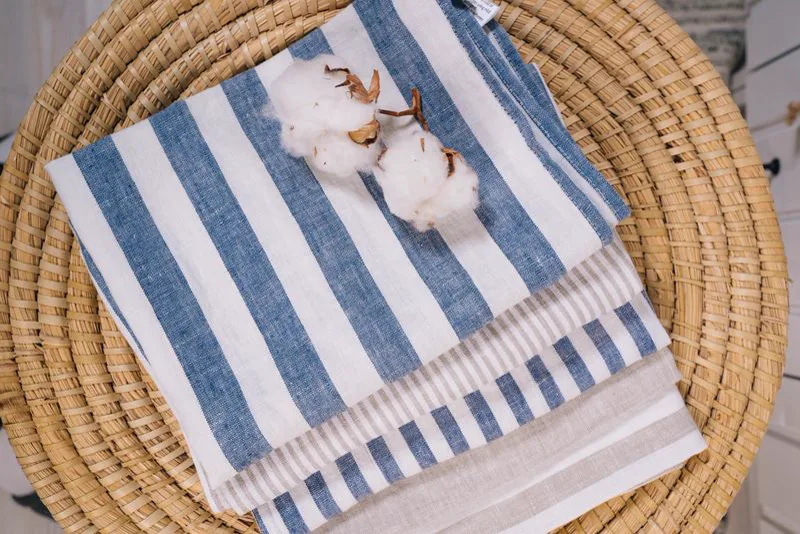
Kitchen Towels Wholesale
Kitchen towels wholesale — commercial kitchen and bar towels built for grease, heat and heavy laundering.
View →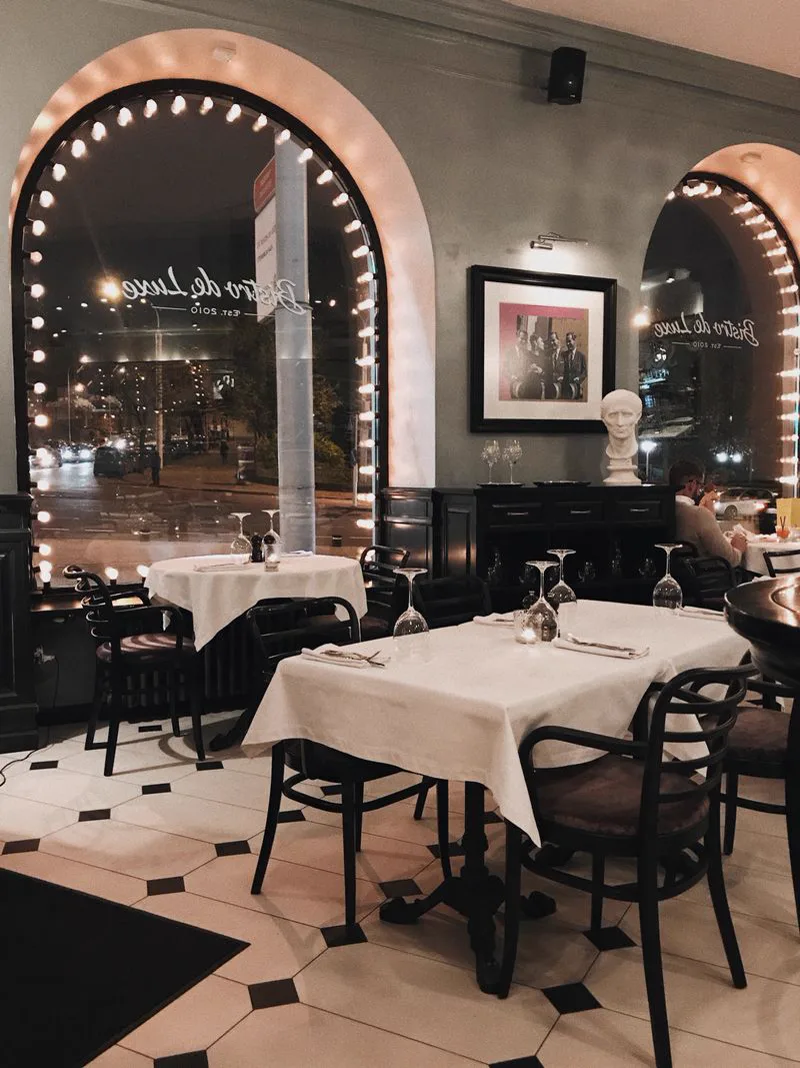
Restaurant Towels Wholesale
Restaurant linens wholesale — table linen, napkins, bar mops and kitchen towels from one supplier.
View →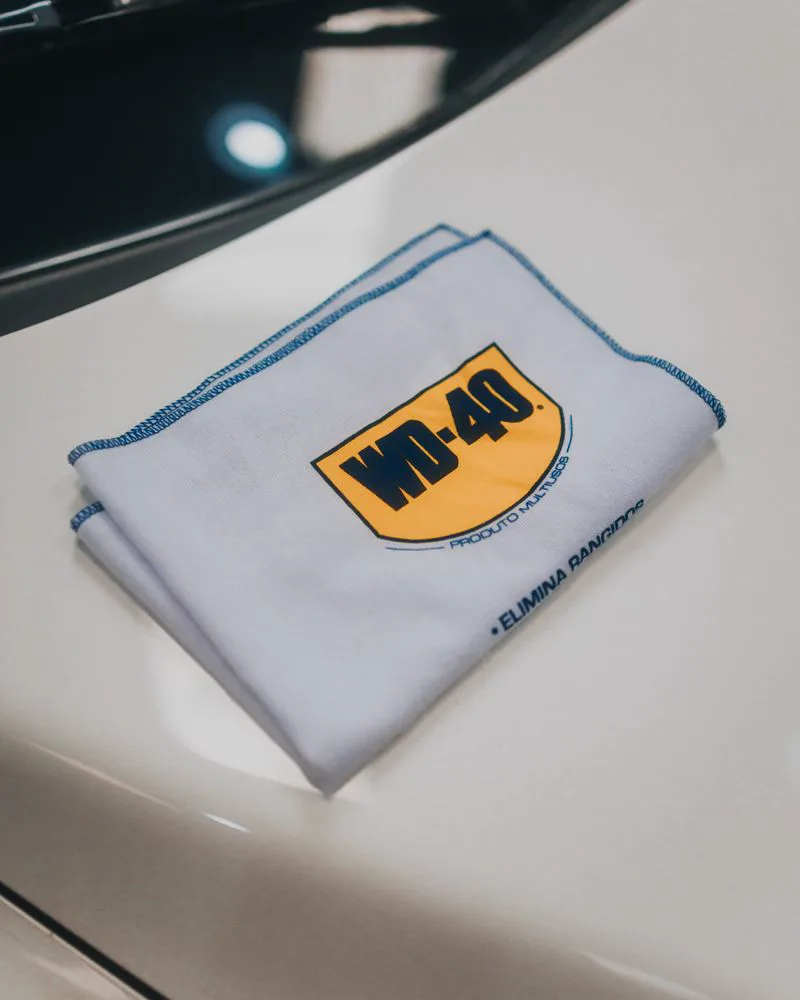
Shop Rags Bulk
Bulk shop rags and industrial wiping cloths for workshops, garages, factories and cleaning distributors.
View →
Cotton Towels Wholesale
Cotton towels wholesale — bulk cotton terry towels made to your yarn, weight and shade specification.
View →Need a Quote on Bar Towels Bulk?
Tell us your target quantity, fiber and branding — we respond within 24 hours.
Get a Quote