Bulk Towels
Car Wash Towels Wholesale
Car wash and detailing towels wholesale — plush, waffle and glass cloths in microfiber, edgeless options.
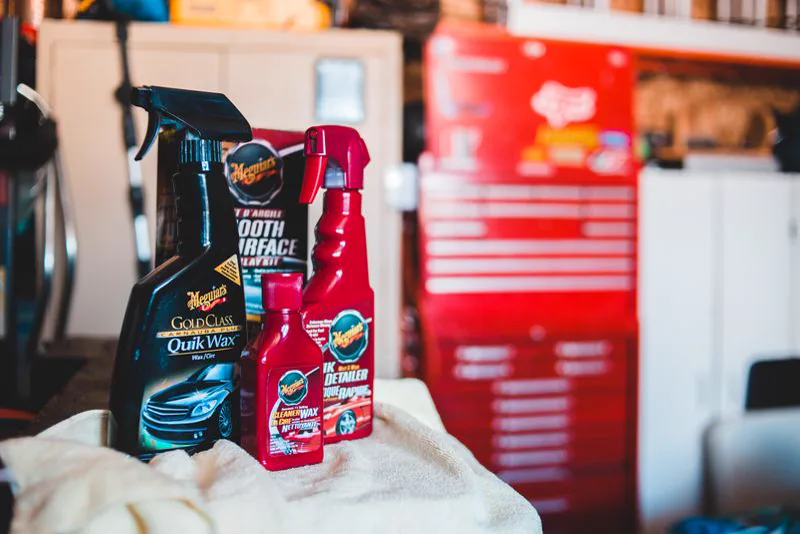
A car wash towel is specified by what it touches. A cloth that dries paintwork, a cloth that cleans glass and a cloth that wipes a wheel are three different products, and using one for all three is how a detailing operation ends up putting swirl marks into the finish it is being paid to protect.
The material is almost always microfiber, and the reason is function rather than fashion. Microfiber lifts water quickly, holds dust and polish residue by structure rather than pushing it around, and dries in a fraction of the time a terry towel takes. In an operation that goes through hundreds of cloths a day, the drying time is what sets the throughput.
HotelsLinen manufactures car wash and detailing towels wholesale to a written specification from 500 pieces per style and colour — plush drying towels, waffle-weave drying towels, glass cloths, interior and wheel cloths, in microfiber at the weights and constructions those jobs need. Buyers fix the weave, the weight, the size, the edge finish and the colour coding.
The buyers are car wash and detailing businesses, mobile valeting and paint protection installers, dealerships and rental fleets, commercial fleet operators, and distributors supplying any of those. Cloths are bought as a consumable on a short replacement cycle, so the specification is driven by the task and by how many times a cloth survives washing before it stops working.
The construction detail that matters most is the edge. A sewn, overlocked edge presents a line of thread and a slightly raised seam, which drags across a painted surface and is one of the common causes of fine scratches. An edgeless construction — where the cloth is cut and the edge is sealed without a sewn hem — leaves nothing to drag, and it is the specification most detailing operations move to once they have had a problem.
Colour coding does the same job here as it does in a kitchen. A cloth used on wheels or door shuts collects grit, and that grit does not come out reliably in the wash. Keeping wheel cloths, glass cloths and paint cloths in separate colours, washed separately, is the cheapest way to stop a wheel cloth reaching a bonnet.
The wash regime decides whether any of it works. Microfiber must not be washed with fabric softener, which coats the fibres and permanently blocks the capillary pickup, and it should not be washed hot or with bleach. Cloths that will touch paint should also be washed separately from those that touch wheels, for the grit reason rather than the colour one.
Our factory is in the Nantong Home Textile Zone in Jiangsu, China. Orders start at 500 pieces per style and colour with a typical four-week lead time after the sample and specification are approved.
Detailing towels are specified by what they touch
The job decides the weave, the weight and the edge. Four tasks, four specifications.
Paintwork
Paint needs a cloth that lifts water and polish residue without dragging. A plush, high-pile microfiber carries grit away from the surface rather than pressing it in, and an edgeless finish removes the seam that causes fine scratches. This is the cloth where the specification has the most effect on the result.
Glass
Glass wants a smooth, low-lint cloth with no pile to leave fibre behind — a flat or waffle weave, usually smaller so it can be folded and used on edges. A plush cloth used on glass leaves lint and streaks, which is why glass cloths are kept separate.
Wheels, door shuts and interiors
These are the dirtiest jobs and they are done with the cheapest cloth. They should also be the most strictly colour-separated, because a cloth that has been over a wheel carries grit that no wash removes reliably, and that grit is what scratches paint.
Drying
A dedicated drying towel is larger, heavier and often waffle-woven, because the job is to take up a lot of water quickly without needing a second pass. A large waffle drying towel can replace several smaller plush cloths on one vehicle, which is usually the argument that pays for it.
Car wash towel specification reference
The range we build most often. The final figures follow the services the operation offers and how cloths are washed.
| Item | Common size | Common weight | Notes |
|---|---|---|---|
| Plush drying towel | 40 x 60 cm or 50 x 80 cm | 400–600 GSM | High pile carries grit away from paint |
| Waffle drying towel | 40 x 80 cm or 60 x 80 cm | 300–500 GSM | Takes up more water per pass; fast to dry |
| Glass cloth | 40 x 40 cm | — | Flat or waffle weave; no pile to shed lint |
| Wheel and interior cloth | 30 x 30 cm or 40 x 40 cm | 250–350 GSM | Cheapest specification; strictest colour separation |
| Blend | — | — | Around 80/20 polyester-polyamide |
| Edge | — | — | Edgeless for paint; overlocked acceptable for wheels and interiors |
| Colour coding | — | — | Separate colours per task, washed separately |
| Packing | — | — | Bag and carton counts set for how the operator issues cloths |
| MOQ | — | — | 500 pieces per style and colour |
| Lead time | — | — | About 4 weeks after sample approval |
Why edgeless construction matters on paint
It is a small construction detail and it is the one most likely to be the difference between a good result and a scratched one.
What a sewn edge does to paint
An overlocked or sewn edge is a line of thread wrapped around a slightly raised seam. Dragged across a painted panel it presents a harder, rougher line than the cloth face, and it traps grit that the pile would otherwise carry clear. Over a full vehicle that is where fine scratches accumulate.
The alternatives
An edgeless cloth is cut and the edge sealed by heat or ultrasonic means, so there is no thread to drag and no raised seam. On a cloth that touches paintwork it is the specification worth paying for. On wheels and interiors, where the surface is not being judged, an overlocked edge is perfectly adequate and cheaper.
Why it shows up later
Fine scratches from a dragged edge are not visible in daylight on a wet panel. They appear under a light or in direct sun, by which point the customer has had the vehicle back for a week. That delay is why this detail is usually adopted after a complaint rather than before.
The wash regime that keeps them working
Microfiber that stops absorbing has almost always been washed wrongly, and the damage is not recoverable.
No fabric softener
Softener coats fibres to make them feel soft, which blocks the capillary structure that does the absorbing. Once coated, a microfiber cloth cannot be restored. In a detailing operation that also washes cotton towels, microfiber has to be a separate load.
Temperature, bleach and grit
Warm rather than hot, mild detergent, no bleach. Wheel and interior cloths should be washed separately from paint cloths, because grit held in a wheel cloth survives the wash and will transfer. That separation is a discipline issue rather than a specification one, but it decides whether the edgeless cloth is worth buying.
How long a cloth lasts
Washed correctly and separated by task, a good microfiber cloth will launder well over a hundred times. Washed with softener, or mixed with grit, it stops performing within a handful of cycles and the operation concludes the cloth was poor rather than the process.
What You Get
Why Source Car Wash Towels Wholesale From HotelsLinen
Specified by task
Plush for paint, flat or waffle for glass, cheapest for wheels — because one cloth cannot do all three without scratching something.
Edgeless construction for paint
A cut-and-sealed edge with no thread to drag and no raised seam, which removes one of the common causes of fine scratches.
Waffle drying towels
A larger, waffle-woven drying towel that takes up more water per pass and can replace several smaller plush cloths on one vehicle.
Around 80/20 blend
Polyester-polyamide at the ratio that gives the capillary pickup, with the polyamide content doing the absorbing.
Colour coding per task
Separate colours for paint, glass and wheels, washed separately — because grit held in a wheel cloth survives the wash.
High-pile options for paint
A plush pile that carries grit away from the surface rather than pressing it into the finish.
Packing for an operating business
Bag and carton counts set for how cloths are issued to a team and stored between jobs.
Factory-direct tiered pricing
Quoted from the Nantong Home Textile Zone with 500-piece MOQ per style and colour and improving tiers above it.
Custom Manufacturing
Send your spec or sample and we make it to order with consistent quality at scale.
Custom Branding
Embroidered, woven-label and printed logos, plus private label packaging.
Factory-Direct MOQ
Start from 500 pieces per style and color, with a typical 4-week lead time.
FAQ
Common Questions
What is the MOQ for car wash towels wholesale?
Our standard minimum is 500 pieces per style and colour. Detailing operations normally order several specifications together — plush for paint, glass cloths and cheaper wheel cloths — which can be combined once the range is agreed.
Why do detailing cloths scratch paint?
Two common causes: a sewn or overlocked edge, which presents a line of thread and a raised seam that drags across the panel, and grit held in a cloth that was also used on wheels. An edgeless cloth and strict colour separation address both.
What is an edgeless towel?
A microfiber cloth whose edge is cut and sealed by heat or ultrasonic means rather than sewn, so there is no thread and no raised seam for the panel to catch. On paintwork it is the specification worth paying for; on wheels and interiors an overlocked edge is adequate.
Plush or waffle for drying?
Plush pile carries grit away from the surface and is the safer choice on paint. Waffle takes up more water per pass and dries faster, so a large waffle drying towel can replace several smaller plush cloths on one vehicle. Many operations run both, for different stages.
Why did my microfiber towels stop absorbing?
Almost always fabric softener, which coats the fibres and blocks the capillary structure permanently. High temperature and bleach also accelerate the loss. Wash warm, mild detergent, no softener, no bleach, and keep microfiber as a separate load from cotton.
Should wheel towels be washed with paint towels?
No. A wheel cloth collects grit that does not come out reliably in the wash, and that grit is what scratches paint. Separate colours per task and separate washes is the cheapest way to prevent it, and it costs nothing beyond the discipline.
What sizes do detailing towels come in?
Plush drying towels are commonly 40 x 60 cm or 50 x 80 cm, waffle drying towels 40 x 80 cm and larger, glass cloths around 40 x 40 cm, and wheel or interior cloths 30 x 30 cm to 40 x 40 cm. The size follows the task and the drying setup.
How long does a detailing towel last?
Washed correctly and separated by task, a good microfiber cloth will launder well over a hundred times. Washed with softener or mixed with grit it stops performing within a handful of cycles, which is usually blamed on the cloth rather than the process.
Can car wash towels carry our brand?
Yes, by woven label or print. Branding is normally placed away from the working face so it does not affect the surface contact, and it is usually specified on the drying towel rather than on wheel cloths.
What is the lead time?
About four weeks after the sample and specification are approved. Dyeing for colour-coded sets and any branding are the steps most likely to move the date.
Keep Exploring
Related Products
Microfiber Towels Wholesale
Microfiber towels wholesale — bulk gym, cleaning and car wash towels made to order.
View →
Shop Rags Bulk
Bulk shop rags and industrial wiping cloths for workshops, garages, factories and cleaning distributors.
View →
Gym Towels Bulk
Bulk gym towels and fitness towels for clubs, studios, sports facilities and branded programmes.
View →Need a Quote on Car Wash Towels Wholesale?
Tell us your target quantity, fiber and branding — we respond within 24 hours.
Get a Quote