Bulk Towels
Restaurant Towels Wholesale
Restaurant linens wholesale — table linen, napkins, bar mops and kitchen towels from one supplier.
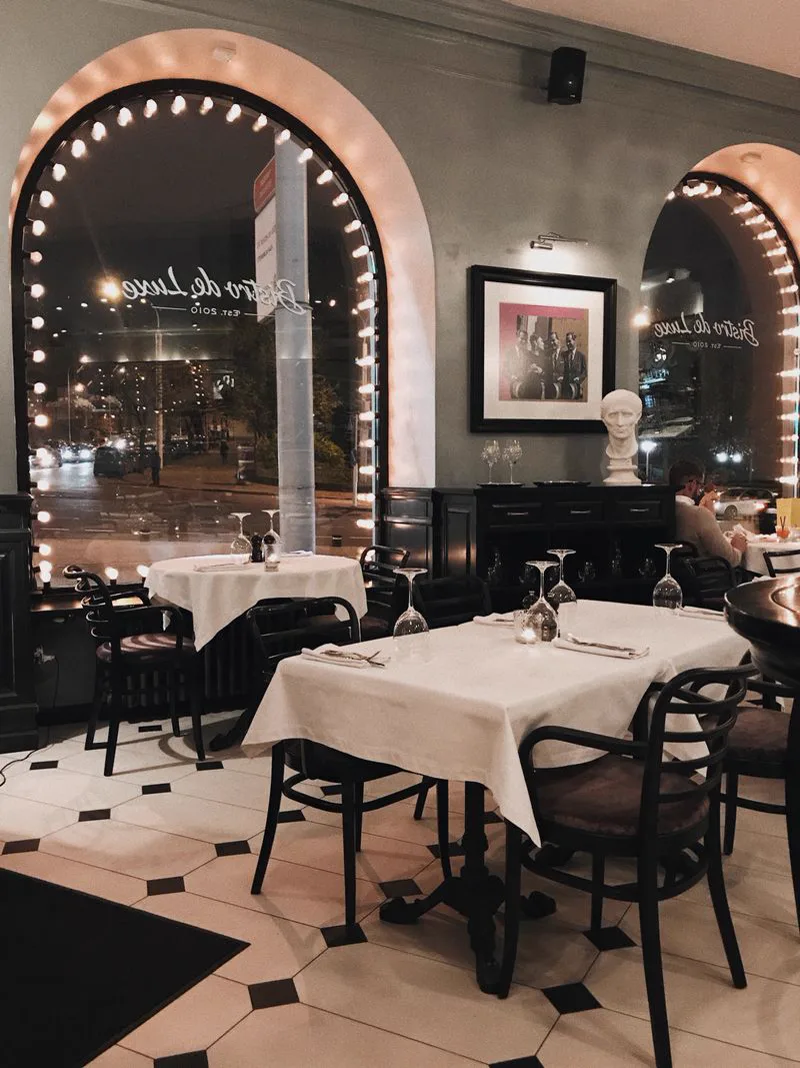
A restaurant buys linen from three places at once. The front of house needs table linen and napkins; the bar needs bar mops and glass cloths; the kitchen needs towels that will take grease, heat and bleach. They are bought by different people, on different cycles, to different specifications, and they all have to survive the same wash.
That is the argument for buying the set from one supplier, and it is mostly about stain chemistry and wash discipline rather than price. A restaurant that runs one white programme has a simpler laundry than one running coloured napkins and white cloths together, and it is simpler still if all the linen behaves the same way in the machine.
HotelsLinen manufactures restaurant linens wholesale to a written specification from 500 pieces per style and colour — tablecloths, napkins, runners, bar mops, glass cloths and kitchen towels, in spun polyester, poly-cotton, cotton and microfibre. Buyers fix the fabric, the size, the colour, the branding and the quantities per area.
The buyers are restaurants and brasserie groups, hotel food and beverage operations, banqueting and event venues, contract caterers, bars and clubs, and distributors supplying any of those. Restaurant linen is a high-replacement consumable rather than a durable, so it is bought on a repeat cycle and judged on how it comes out of the wash.
The front of house is a fabric decision with a clear default: spun polyester for nearly everything commercial. It releases wine and oil stains, holds its colour and shape, and comes out of the dryer needing minimal pressing. Cotton is chosen for a fine-dining room where the drape and the hand are the point, and it is specified with the pressing cost understood.
The back of house is a different problem. Kitchen towels have to take grease, heat and bleach and are washed harder than anything else in the building, so they are specified for how they launder and how fast they can be replaced rather than for how they look. Colour coding is worth doing here, because a cloth used on raw meat should never reach a clean surface.
Glass cloths are their own specification. A cloth used on glass and polished cutlery must not leave lint, which is why microfibre or a smooth woven cloth is used rather than terry, and why they are kept separate from the kitchen stock in the wash.
Our factory is in the Nantong Home Textile Zone in Jiangsu, China. Orders start at 500 pieces per style and colour with a typical four-week lead time after the sample and specification are approved.
Three areas, three specifications
Front of house: table linen and napkins
Specified for stain release, colour fastness and how little pressing the fabric needs. Spun polyester is the working default for commercial use. Cotton is chosen where the drape and hand are part of the room, and it is specified with the pressing cost understood rather than discovered.
Bar: bar mops and glass cloths
Bar mops need absorbency and a size that works in the hand, and they are washed constantly. Glass cloths must not leave lint, which rules out terry and points to microfibre or a smooth woven cloth. Keeping the two apart in the wash is what stops a glass cloth picking up residue.
Kitchen: towels and utility cloths
The hardest-working linen in the building. Kitchen towels take grease, heat and bleach, and they are washed at the highest temperature in the operation. They are specified for laundering and for how fast they can be replaced, not for appearance, and colour coding is worth specifying where raw and clean surfaces are both in play.
The wash is the constraint
A restaurant that runs one white programme has a simpler laundry than one running coloured napkins and white cloths together, and simpler still if the linen all behaves the same way in the machine. That is the practical argument for one supplier and one fabric family across the areas.
Restaurant linen specification reference
| Item | Common size | Common fabric | Notes |
|---|---|---|---|
| Dinner napkin | 50 x 50 cm or 45 x 45 cm | Spun polyester or poly-cotton | Formal and casual service |
| Cocktail napkin | 25 x 25 cm or 20 x 20 cm | Spun polyester | Bar and reception |
| Tablecloth | Cut to table plus drop | Spun polyester or cotton | Drop decided before ordering |
| Runner | Cut to length | Spun polyester or cotton | Layered or used alone |
| Bar mop | 40 x 50 cm | Cotton terry or cotton-rich | Absorbent; washed constantly |
| Glass cloth | 40 x 40 cm | Microfibre or smooth woven | Must not leave lint |
| Kitchen towel | 40 x 60 cm or 50 x 70 cm | Cotton, cotton-rich or blends | Takes grease, heat and bleach |
| Colour | — | — | Front of house matched to the room; kitchen colour-coded |
| MOQ | — | — | 500 pieces per style and colour |
| Lead time | — | — | About 4 weeks after sample approval |
Stains, colour and wash discipline
The stains that retire linen
Red wine and tannins are the classic front-of-house killers, because they set permanently if the cloth is washed hot before the stain is released. A cooler first wash with the right chemistry lifts them. Stain release is also a fabric property, which is one reason spun polyester dominates commercial use.
Colour separation
Whites are bleached and colours cannot be, so a venue running both has to wash them separately or colour migrates and the whites go grey. Some operations run a single white programme entirely because it makes the laundry discipline simpler rather than because white looks better.
Front and back of house in the same machine
Kitchen towels carry grease and food residue that a napkin should not meet. Where they share a wash, the grease load and the temperature the kitchen linen needs will affect the front-of-house linen. Separating the two is a discipline decision, and it is cheaper to plan than to correct.
Replacement rather than repair
Restaurant linen is withdrawn at the first visible stain or tear rather than at the end of its fabric life, so the practical replacement rate follows the stain and tear rate. Ordering on the fabric life rather than the stain rate is how a venue runs short in the middle of a season.
Buying the areas together
One supplier, one colour standard
Front-of-house linen is matched to the room, so the colour reference has to be held on file for re-orders. Buying the front and back of house from one supplier keeps the colours, the fabrics and the replacement cycles visible in one place rather than three.
Quantities per area
Each area turns over at a different rate: napkins fastest in a busy room, tablecloths slower, bar mops and kitchen towels on their own rapid cycle. Ordering them on one schedule but in the right proportions for each area is what stops one item running out while another sits on the shelf.
Branding on the front of house
A woven label or jacquard mark on a hem is the usual place, where it is visible when the linen is folded and out of the way when the table is laid. Branding the kitchen stock is usually wasted, because that linen is used hard and replaced often.
What to send for a quotation
The covers and the service style for the front of house, the table and drop dimensions, the bar and kitchen items and their quantities, the colour the room is matched to, and the wash regime. The front-of-house specification follows the room; the back-of-house one follows the laundry.
What You Get
Why Source Restaurant Towels Wholesale From HotelsLinen
Front, bar and kitchen from one supplier
Table linen, napkins, bar mops, glass cloths and kitchen towels specified together, so colours, fabrics and replacement cycles stay visible in one place.
Fabric chosen against the wash
Spun polyester for stain release and minimal pressing, poly-cotton in between, and cotton for a fine-dining room where the drape is the point.
Glass cloths that do not shed lint
Microfibre or a smooth woven cloth for glass and cutlery, kept separate in the wash from the kitchen stock.
Kitchen towel specification
Built to take grease, heat and bleach and to be replaced fast, rather than specified for how it looks.
Napkin sizes for each service
Dinner and cocktail napkins held as separate items, so a formal napkin is not doing casual duty and wearing out early.
Colour held against a reference
House colours matched to a reference and kept on file, so a re-order does not shift the room.
Colour coding for the back of house
Separate colours for separate tasks, because a cloth used on raw food should never reach a clean surface and colour is the cheapest control.
Factory-direct tiered pricing
Quoted from the Nantong Home Textile Zone with 500-piece MOQ per style and colour and improving tiers above it.
Custom Manufacturing
Send your spec or sample and we make it to order with consistent quality at scale.
Custom Branding
Embroidered, woven-label and printed logos, plus private label packaging.
Factory-Direct MOQ
Start from 500 pieces per style and color, with a typical 4-week lead time.
FAQ
Common Questions
What is the MOQ for restaurant linens wholesale?
Our standard minimum is 500 pieces per style and colour. Restaurants normally order the front of house, the bar and the kitchen together, which can be combined once the fabrics, sizes and colours are agreed.
What fabric is best for restaurant table linen?
Spun polyester for most commercial use, because it releases wine and oil stains, holds colour and shape across repeated washing and needs minimal pressing. All-cotton has the best hand and drape but creases hard and stains permanently if the wash chemistry is wrong. Poly-cotton sits between the two.
What size should dinner napkins be?
Around 45 x 45 cm or 50 x 50 cm for dinner service, with cocktail napkins at 20 x 20 cm or 25 x 25 cm. The size should suit the fold it is presented in, and buying one size across the whole operation usually means the formal napkin wears out doing casual work.
What are bar mops used for?
Absorbing spills and wiping the bar surface. They need absorbency and a size that works in the hand, and they are washed constantly, so they are replaced on a fast cycle. Cotton terry or a cotton-rich construction is the usual specification.
Why do glass cloths have to be different?
Because a cloth used on glass and polished cutlery must not leave lint, which rules out terry. Microfibre or a smooth woven cloth is used instead, and they are kept separate in the wash so they do not pick up residue from the kitchen stock.
How do I stop red wine stains setting?
By keeping the first wash cool with the right chemistry. A tannin stain washed hot before it is released sets permanently. Stain release is also a fabric property worth specifying, which is one reason spun polyester dominates commercial use.
Should kitchen towels be washed with the napkins?
Better not. Kitchen towels carry grease and food residue that front-of-house linen should not meet, and they need a different temperature and chemistry. Separating the two is a discipline decision that is far cheaper to plan than to correct.
Can restaurant linen carry our logo?
Yes, by woven label or jacquard mark. Placement is normally on the hem, where it is visible when the linen is folded and out of the way when the table is laid. Branding the kitchen stock is usually wasted because it is used hard and replaced often.
How often does restaurant linen need replacing?
More often than the fabric life suggests, because a cloth is withdrawn at the first visible stain or tear rather than at the end of its wear. The practical replacement rate follows the stain and tear rate, and different areas run out at different rates.
What is the lead time?
About four weeks after the sample and specification are approved. Dyeing and any branding are the steps most likely to move the date.
Keep Exploring
Related Products

Hotel Linens Wholesale
Complete hotel linen supply wholesale — towels, bed linen, table linen and robes on one standard.
View →
Spa Towels Wholesale
Spa towels wholesale — treatment room wraps, hand and face towels, peshtemals and robes, made to order.
View →
Gym Towels Bulk
Bulk gym towels and fitness towels for clubs, studios, sports facilities and branded programmes.
View →Need a Quote on Restaurant Towels Wholesale?
Tell us your target quantity, fiber and branding — we respond within 24 hours.
Get a Quote