Bulk Towels
Bathrobes Wholesale
Wholesale hotel bathrobes in terry, waffle and velour — shawl and kimono, custom embroidered.
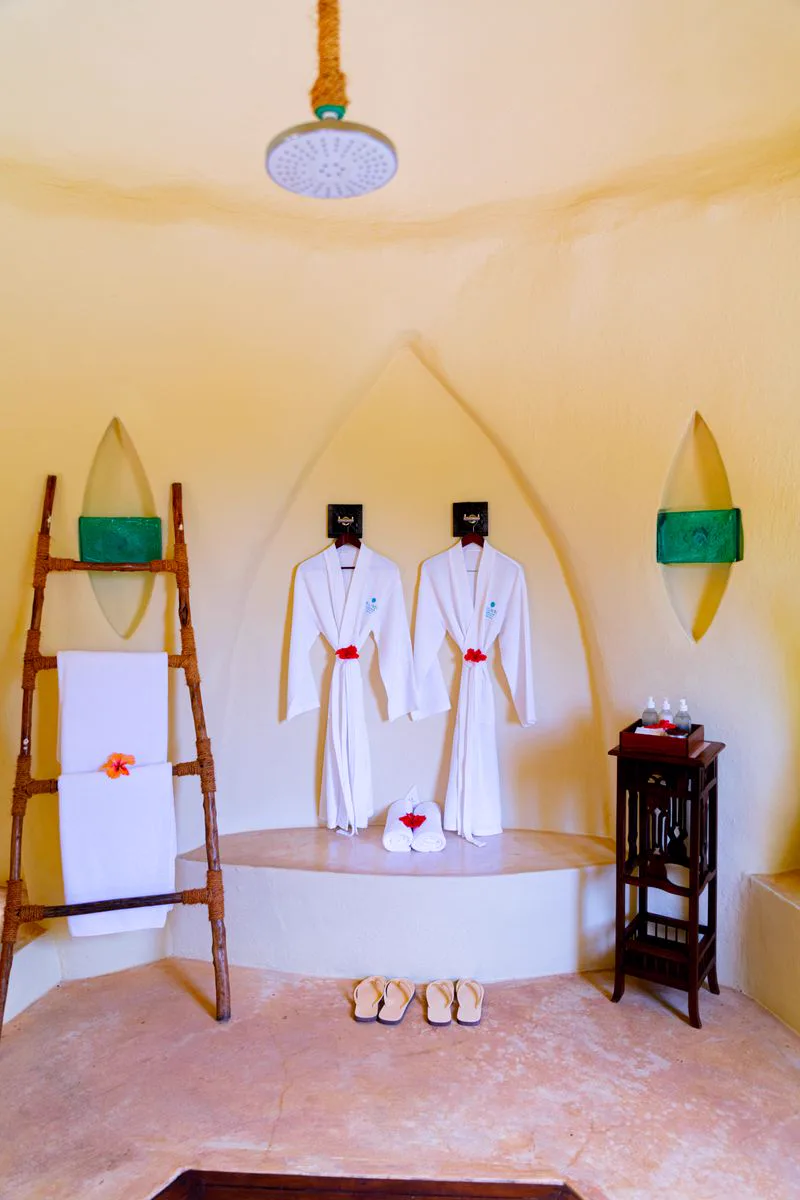
A bathrobe is specified differently from a towel, even though it is made from the same fabric. It has to be wearable rather than merely absorbent: the weight has to suit the climate and the laundry, the collar has to stay closed on a person who is moving, and the size has to fit a range of guests without a fitting room.
The material choice comes first and it decides everything else. Terry robes are the traditional hotel robe — absorbent, warm, substantial, and the slowest to dry. Waffle robes are lighter, dry quickly and have a woven texture that reads as spa rather than as bathroom. Velour robes are smooth, soft and sheared on the outside with terry inside, which is what most guests picture when they think of a hotel robe.
HotelsLinen manufactures hotel bathrobes wholesale to a written specification from 500 pieces per style and colour, in terry, waffle and velour constructions, with shawl or kimono collars and embroidery or woven-label branding. Buyers fix the fabric, the weight, the collar, the size range and the belt construction.
The buyers are hotels and resorts, spas and wellness centres, boutique properties and serviced apartments, cruise operators, and distributors supplying any of those, plus brands selling robes as retail merchandise. Hotel robes are a repeat purchase like any other linen, but they are replaced on a different cycle from towels, so they are usually planned separately.
Weight is the decision that interacts most with the property. A heavy terry robe in a hot climate is uncomfortable and slow to dry; a light waffle robe in a cold one is not what a guest wants after a shower. The usual split is terry or velour for cooler properties and upscale bathrooms, and waffle for spa, pool and warm climates where drying speed and lightness matter more.
Sizing is the practical problem and it does not have a perfect answer. Most properties run two sizes, occasionally three, and the size range has to cover guests from small to large while the belt and the wrap still close. This is a fit question, so it is settled on a physical sample worn rather than on a measurement chart alone.
The belt and loop construction is the part that fails first, and it is the cheapest part to specify properly. A belt that is attached by a fabric loop at the waist and passes through side loops will survive laundering far better than a belt stitched at the ends, which tears away at the seam within a few washes.
Our factory is in the Nantong Home Textile Zone in Jiangsu, China, with weaving, dyeing, cutting, sewing and embroidery in one supply chain. Orders start at 500 pieces per style and colour with a typical four-week lead time after the sample and specification are approved.
Terry, waffle and velour — what each is for
The fabric is the decision that determines how the robe feels, how it dries and where it belongs.
Terry
Looped on both faces, absorbent and warm, and the closest relative of the bath towel. It is the traditional hotel robe and it suits cooler properties and upscale bathrooms where the guest expects weight. It is also the slowest of the three to dry, which is the main constraint on how large a robe fleet a laundry can turn around.
Waffle
A woven, honeycomb-textured fabric that is much lighter and dries far faster than terry. It absorbs adequately, packs small, and reads as spa rather than as bathroom, which is why it dominates spa and pool changing areas and warm-climate properties. It feels drier and crisper than terry rather than plush.
Velour
Sheared and smooth on the outside, looped terry on the inside. It gives the soft, luxurious surface most guests associate with a hotel robe while keeping the absorbency of terry against the skin. It takes embroidery particularly well, which makes it the usual choice where the robe is a visible branded item.
Bathrobe specification reference
The constructions we build most often. The final figures follow the climate, the guest expectation and the laundry.
| Item | Common weight | Construction | Notes |
|---|---|---|---|
| Terry robe | 350–500 GSM | Looped both faces | Traditional hotel robe; warm and absorbent, slowest to dry |
| Velour robe | 300–400 GSM | Sheared face, terry reverse | Soft, takes embroidery well; the visible branded robe |
| Waffle robe | — | Woven honeycomb, light | Fast drying, spa feel, warm climates and pool use |
| Collar | — | Shawl or kimono | Shawl wraps and stays closed; kimono is lighter and easier to launder |
| Sizes | — | Usually two, sometimes three | Confirmed on a worn sample rather than a chart |
| Belt and loops | — | Through-loop construction | The first component to fail if it is stitched at the ends |
| Branding | — | Embroidery · woven label | Chest placement, proofed on the sample |
| Colour | — | White or a property shade | Held against a reference for re-orders |
| MOQ | — | — | 500 pieces per style and colour |
| Lead time | — | — | About 4 weeks after sample approval |
Sizing, collars and closures
A robe is worn rather than used, so the fit questions are different from a towel and they are settled on a sample.
Shawl against kimono
A shawl collar is a wide, turned-back collar that overlaps and stays closed on its own, which suits a heavier robe and a guest walking between the bathroom and the bedroom. A kimono collar is lighter, crosses over and is held by the belt, and it launder and folds more easily. Shawl reads as warmer and more upscale; kimono as lighter and more spa-like.
Sizing and the one-size problem
One size does not fit all, but two sizes cover most guests in most properties. The range has to accommodate a small guest without the robe drowning them and a large guest with the wrap still closing. This is a fit judgement, so it is made on a physical sample worn by different people rather than on a measurement chart alone.
Belt and loop construction
The belt is where a robe fails. A belt attached by fabric loops at the waist and threaded through side loops survives laundering; a belt stitched to the robe at its ends tears away at the seam within a few washes. It is a small construction detail and it decides how long the robe lasts.
Why robes are specified separately from towels
They are laundered less often and replaced on a different cycle, which changes the economics.
A different replacement cycle
A robe is used by one guest per stay rather than after every shower, and in many properties it is laundered between guests rather than daily. That means it sees far fewer cycles a year than a bath towel, so it stays in service longer and the cost per year in service is smaller than the price tag suggests.
Why robes disappear
Robes are the item most likely to leave a property, either borrowed permanently or taken by a guest who assumes it was included. That is a planning assumption rather than a fault, and it is the reason robe fleets are sized with a higher replacement allowance than towel fleets in most properties.
Where the robe is a retail product
Many upscale properties sell the robe, and programmes that combine a guest robe with a retail version are common. The retail version is usually a lighter construction at a lower weight, with the branding sized for a chest placement rather than a small hem mark — worth specifying as its own product rather than as the same robe in a smaller quantity.
What You Get
Why Source Bathrobes Wholesale From HotelsLinen
Terry, waffle and velour
Three constructions from one supplier: absorbent and warm terry, fast-drying spa waffle, and sheared velour that takes embroidery well.
Shawl or kimono collar
A wide shawl collar that stays closed on a heavier robe, or a lighter kimono collar that launders and folds more easily.
Belt construction specified
Through-loop belt construction rather than belts stitched at the ends, because the belt is the first component to fail.
Two or three sizes
A size range sized on a worn sample rather than a measurement chart, so a small guest is not drowned and a large guest still closes the wrap.
Weight matched to the climate
Heavier terry and velour for cool properties, lighter waffle for spa, pool and warm climates where drying speed matters more.
Embroidery where it is seen
Chest placement proofed on the sample, on the construction that shows it best — usually velour.
Robe and towel on one shade
Robes can be woven to the same shade standard as the towel programme, so a bathroom matches without a second supplier.
Factory-direct tiered pricing
Quoted from the Nantong Home Textile Zone with 500-piece MOQ per style and colour and improving tiers above it.
Custom Manufacturing
Send your spec or sample and we make it to order with consistent quality at scale.
Custom Branding
Embroidered, woven-label and printed logos, plus private label packaging.
Factory-Direct MOQ
Start from 500 pieces per style and color, with a typical 4-week lead time.
FAQ
Common Questions
What is the MOQ for bathrobes wholesale?
Our standard minimum is 500 pieces per style and colour. Most properties order two or three sizes and often a mix of terry and waffle, which can be combined once the specification is agreed.
Terry, waffle or velour — which should a hotel choose?
Terry is the traditional hotel robe: warm, absorbent and substantial, but slowest to dry. Waffle is much lighter, dries fast and reads as spa, which suits pool, spa and warm climates. Velour is sheared and smooth on the outside with terry inside, gives the soft feel guests associate with a hotel robe, and takes embroidery best.
What GSM should a hotel bathrobe be?
Terry robes commonly sit around 350 to 500 GSM and velour around 300 to 400 GSM. Waffle is a different construction and is not compared by GSM. Heavier is warmer and slower to dry, so the climate and the laundry matter as much as the perceived quality.
Should we choose shawl or kimono collars?
A shawl collar is wide and turned back, overlaps and stays closed on its own, and suits a heavier robe. A kimono collar is lighter, crosses over and is held by the belt, and it launders and folds more easily. Shawl reads warmer and more upscale; kimono reads lighter and more spa-like.
How many sizes do we need?
Two sizes cover most guests in most properties, with three for a property with a wide guest range. The range has to fit a small guest without drowning them and still close on a large one, which is a fit judgement best made on a worn sample rather than from a size chart.
Why do our robes keep losing belts?
Almost always because the belt is stitched to the robe at its ends, which tears away at the seam within a few washes. A belt attached by fabric loops at the waist and threaded through side loops survives laundering far better. It is a small construction detail worth specifying explicitly.
How often do hotel robes need replacing?
Less often than towels, because a robe sees far fewer wash cycles — it is usually laundered between guests rather than after every use. The bigger loss is theft or permanent borrowing, which is a planning assumption rather than a fault and is why robe fleets are sized with a higher replacement allowance.
Can robes be embroidered with our logo?
Yes, and velour is the construction that shows embroidery best. Chest placement is usual for a hotel and a smaller mark on the cuff or hem for a retail version. Placement, size and colour are confirmed on the sample.
Do you make robes for retail sale as well as hotel use?
Yes. A retail robe is normally a lighter construction with branding sized for visibility rather than a hem mark, and it is worth specifying as its own product rather than as the hotel robe in smaller quantities.
What is the lead time?
About four weeks after the sample and specification are approved. Dyeing, sewing and embroidery are the steps most likely to move the date.
Keep Exploring
Related Products
Bath Towels Wholesale
Bath towels wholesale and bulk bath towels made to order for hotels, resorts, spas and distributors.
View →
Hand Towels Wholesale
Hand towels wholesale — hotel bathroom and washroom hand towels, matched to your towel specification.
View →
Bath Sheets Wholesale
Bath sheets wholesale — oversized bath towels for suites, spas and upscale bathrooms, made to order.
View →Need a Quote on Bathrobes Wholesale?
Tell us your target quantity, fiber and branding — we respond within 24 hours.
Get a Quote