Bulk Towels
Table Linen Wholesale
Wholesale table linen — napkins, tablecloths and runners for restaurants, hotels and events.
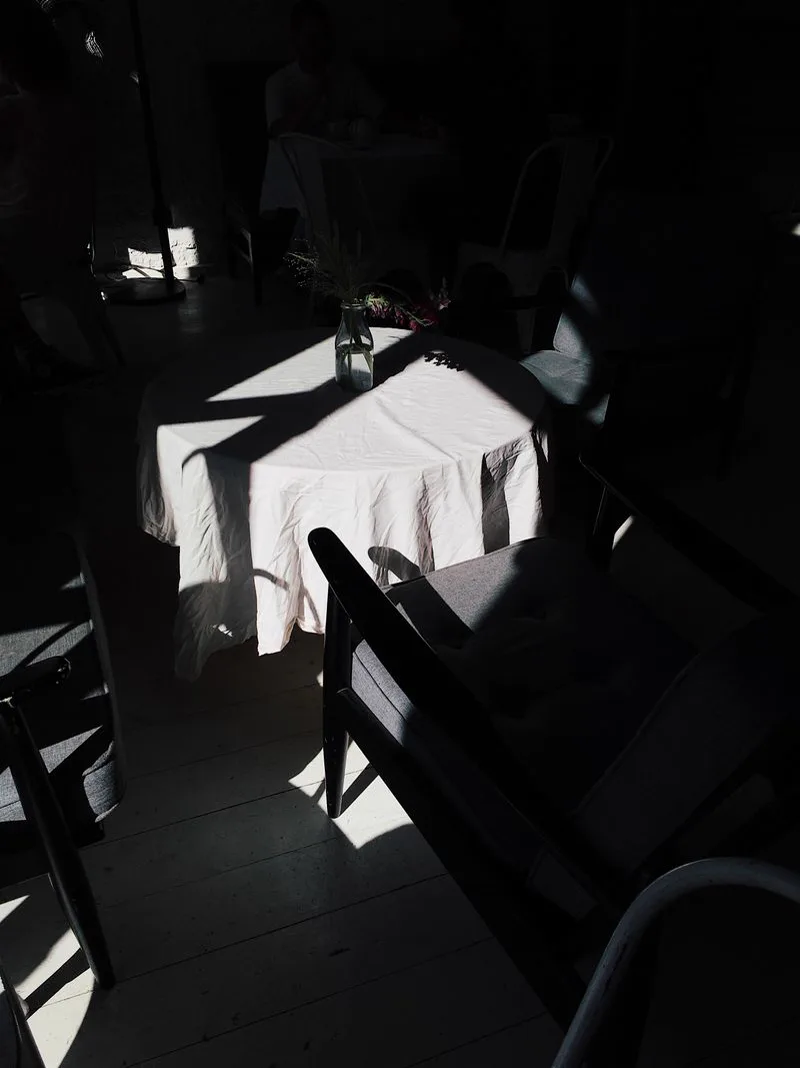
Table linen is bought by restaurants and function departments rather than by housekeeping, and it is specified by laundry and stain behaviour rather than by absorbency. A napkin has to come out of a commercial wash white after a red wine spill, keep its size after two hundred cycles, and still look pressed on a table where a guest is about to be seated.
That set of requirements points away from what most buyers assume. All-cotton table linen feels the best and is the hardest to keep looking right: it creases hard, needs pressing after every wash, and stains permanently if the wash chemistry is wrong. Spun polyester and poly-cotton are what most commercial operations actually run, because they release stains, hold their colour and come out of the wash needing far less finishing.
HotelsLinen manufactures table linen wholesale to a written specification from 500 pieces per style and colour — napkins, tablecloths, runners, and the skirting and chair covers that go with a function set-up. Buyers fix the fabric, the weight, the size, the colour and the branding.
The buyers are restaurants and hotels with food and beverage operations, banqueting and event venues, catering companies and contract caterers, clubs, and distributors supplying any of those. Table linen is bought on a repeat cycle with a high replacement rate, because a stained or torn cloth is withdrawn from service immediately rather than at the end of its life.
The fibre decision is the one that determines everything downstream. Spun polyester is a textured yarn that behaves like cotton to the hand and releases stains readily, holds colour well and needs minimal pressing — which is why it dominates commercial use despite feeling less luxurious than cotton. Poly-cotton sits between the two. All-cotton is chosen for a fine-dining setting where the hand and the drape are the point, and it is specified with the pressing requirement understood.
Napkin size is decided by how it will be used and folded. A large napkin suits a formal fold and a fine-dining setting; a smaller one suits casual service, and a cocktail napkin is a separate item again. Buying one size for every service area usually means a formal napkin doing a casual job and wearing out faster than it needs to.
Tablecloth size is decided by the table and the drop. The cloth has to cover the table plus the length that hangs at the edges, and the drop is a deliberate choice: a short drop reads as casual and a floor-length drop reads as formal. Measuring the table without deciding the drop is how a cloth arrives at the wrong size.
Our factory is in the Nantong Home Textile Zone in Jiangsu, China, with weaving, dyeing, cutting, hemming and packing in one supply chain. Orders start at 500 pieces per style and colour with a typical four-week lead time after the sample and specification are approved.
The fibre decision: cotton, poly-cotton or spun polyester
This is the decision that determines how the linen behaves in the wash, how it presses and how long it lasts. It matters more than the colour or the pattern.
Spun polyester
A textured polyester yarn that feels closer to cotton than a flat filament would, releases oil and wine stains readily, holds colour and shape across repeated commercial washing and comes out of the dryer needing minimal pressing. It is the working fabric of commercial food and beverage linen and the reason most restaurant cloths look the same after a year.
Poly-cotton
A blend that costs less than spun polyester and more than cotton in some markets, with a softer hand and better drape than pure polyester. Stain release and crease recovery sit between the two. It is a reasonable middle choice for a venue that wants a slightly more natural look without taking on full cotton finishing.
All-cotton
The best hand and drape, and the most demanding to run. Cotton creases hard, needs pressing after every wash, and stains permanently if the wash chemistry is wrong, particularly with tannins from red wine. Where a fine-dining room justifies it, it is specified deliberately, with the pressing cost understood and the colour chosen to make staining less visible.
Table linen specification reference
The ranges we build to most often. Sizes are given as a starting point; cloths are cut to your tables.
| Item | Common size | Common fabric | Notes |
|---|---|---|---|
| Dinner napkin | 50 x 50 cm or 45 x 45 cm | Spun polyester or poly-cotton | Formal and casual service |
| Cocktail napkin | 25 x 25 cm or 20 x 20 cm | Spun polyester | Bar and reception service |
| Tablecloth | Cut to table plus drop | Spun polyester or cotton | Drop chosen for the setting, not assumed |
| Table runner | Cut to length | Spun polyester or cotton | Layered over a cloth or used alone |
| Fabric | — | — | Spun polyester · poly-cotton · all-cotton |
| Weight | — | — | Heavier drapes better; lighter is cheaper to launder |
| Colour | — | — | White, ivory, black and house colours, held against a reference |
| Branding | — | — | Woven label on the hem, or a jacquard mark |
| MOQ | — | — | 500 pieces per style and colour |
| Lead time | — | — | About 4 weeks after sample approval |
Napkins, cloths and runners
Three items, three sets of measurements, and they are usually bought together.
Napkin sizes and folds
The napkin has to suit the fold it will be presented in. A large napkin carries a formal fold and a fine-dining setting; a smaller one suits casual service and takes up less of the cover. Buying one size across the whole operation usually means the formal napkin is doing casual work and wearing out faster than the setting requires.
Tablecloth sizing and the drop
The cloth covers the table plus the length hanging at the edges. That hanging length — the drop — is a design decision: a short drop reads as casual or bistro, a floor-length drop reads as formal and is standard for banqueting. Measuring the table without deciding the drop is how a cloth arrives the wrong size.
Runners and layering
A runner is used over a cloth, over a bare table, or as a design element on a long banqueting table. It is cut to length rather than to a standard size, so it is one of the items where sending the actual table dimensions matters most.
Stains, laundry and colour fastness
The wash regime decides how long table linen looks presentable, more than the fabric price does.
The stains that end a cloth's life
Red wine and tannin stains are the classic killers, because they set permanently if the cloth is washed hot before the stain is released. A cooler first wash with the right chemistry lifts them; a hot first wash fixes them. That is a chemistry decision the laundry has to get right, and it is why stain releasing is worth specifying as a fabric property.
Colour fastness and bleaching
White cloths are bleached, and colour cloths cannot be. A venue running both has to wash them separately or the colour will migrate and the whites will go grey. Where the operation runs a single white programme it is because the laundry discipline is simpler, not because white looks better.
Replacement rate and why cloths leave service early
A tablecloth is withdrawn at the first visible stain or tear, not at the end of its fabric life, so the practical replacement rate follows the stain and tear rate rather than the wear rate. Napkins survive longer because they are smaller and less exposed, and it is normal for a venue to re-order napkins and cloths at different intervals.
What You Get
Why Source Table Linen Wholesale From HotelsLinen
Spun polyester, poly-cotton and cotton
The three fabrics commercial food and beverage linen is actually run in, from the stain-releasing workhorse to the fine-dining cotton.
Stain release specified
Fabric chosen for how it releases wine, oil and tannin stains, because that is what retires a cloth rather than wear.
Cut to your tables
Tablecloths and runners cut to the actual table plus the drop you have chosen, rather than to a nominal size.
Napkins for each service
Dinner and cocktail napkin sizes held as separate items, so a formal napkin is not doing casual duty and wearing out early.
Colour held against a reference
House colours and whites matched to a reference and kept on file, so a re-order does not shift the room.
Crease recovery against pressing cost
We will say what each fabric costs to finish, because a fabric that needs pressing after every wash costs more than its price difference.
Branding on the hem
Woven labels and jacquard marks, placed on the hem where they are seen folded rather than across the table.
Factory-direct tiered pricing
Quoted from the Nantong Home Textile Zone with 500-piece MOQ per style and colour and improving tiers above it.
Custom Manufacturing
Send your spec or sample and we make it to order with consistent quality at scale.
Custom Branding
Embroidered, woven-label and printed logos, plus private label packaging.
Factory-Direct MOQ
Start from 500 pieces per style and color, with a typical 4-week lead time.
FAQ
Common Questions
What is the MOQ for table linen wholesale?
Our standard minimum is 500 pieces per style and colour. Most venues order napkins, tablecloths and runners together, which can be combined once the fabric, sizes and colours are agreed.
Cotton or polyester for restaurant table linen?
Most commercial operations run spun polyester, because it releases stains, holds colour and shape across repeated washing and needs minimal pressing. All-cotton has the best hand and drape but creases hard, needs pressing after every wash and stains permanently if the chemistry is wrong. Poly-cotton sits between the two.
How do I choose the tablecloth size?
Measure the table, then decide the drop — the length hanging at the edges. A short drop reads as casual, a floor-length drop as formal and is standard for banqueting. Cloths are cut to table plus drop, so the drop has to be decided before the order rather than after.
What size should dinner napkins be?
Around 45 x 45 cm or 50 x 50 cm for dinner service, with cocktail napkins at 20 x 20 cm or 25 x 25 cm. The size should suit the fold it will be presented in, and buying one size across the whole operation usually means the formal napkin wears out doing casual work.
How do I stop red wine stains setting?
By keeping the first wash cool and using the right chemistry. A tannin stain washed hot before it is released sets permanently. Stain release is also a fabric property worth specifying, which is one reason spun polyester dominates commercial use.
Can coloured table linen be bleached?
No. Whites are bleached and colours cannot be, so a venue running both has to wash them separately or the colour migrates and the whites go grey. Some operations run a single white programme precisely because the laundry discipline is simpler.
How often does table linen need replacing?
More often than the fabric life suggests, because a cloth is withdrawn at the first visible stain or tear rather than at the end of its wear. The practical replacement rate follows the stain and tear rate, and napkins and cloths are usually re-ordered at different intervals.
Do you make runners and chair covers?
Yes. Runners are cut to length, and skirting and chair covers are made for function and banqueting set-ups. All of it can be run in the same fabric and colour as the cloths so the room matches.
Can table linen carry our logo?
Yes, by woven label or jacquard mark. Placement is normally on the hem, where it is visible when the linen is folded and out of the way when the table is laid.
What is the lead time?
About four weeks after the sample and specification are approved. Dyeing and any branding are the steps most likely to move the date.
Keep Exploring
Related Products
Bar Towels Bulk
Bar towels bulk and wholesale bar mops for restaurants, bars, hotel kitchens and catering teams.
View →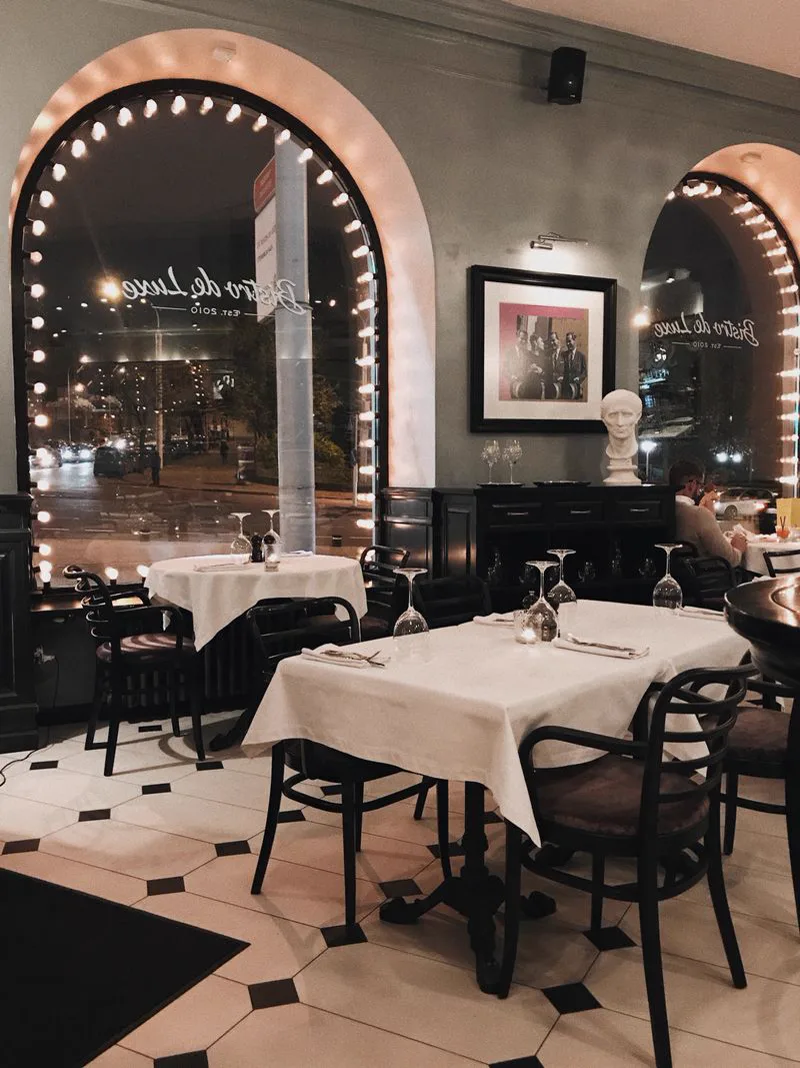
Restaurant Towels Wholesale
Restaurant linens wholesale — table linen, napkins, bar mops and kitchen towels from one supplier.
View →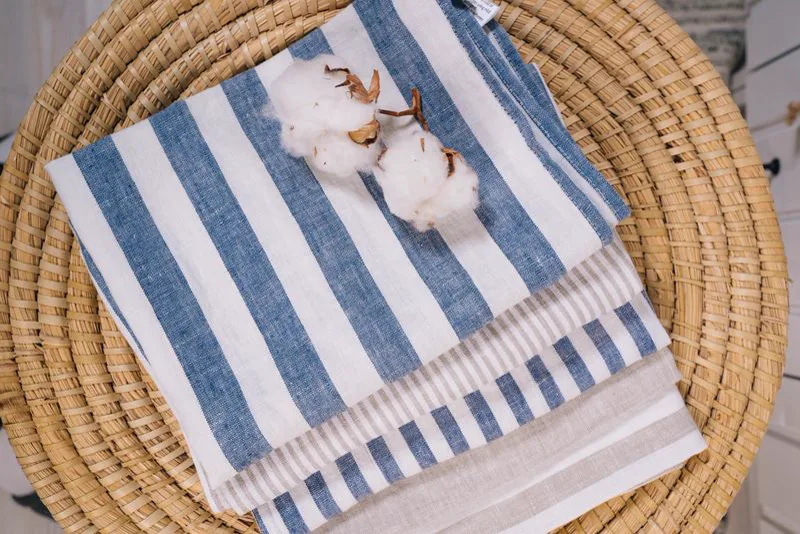
Kitchen Towels Wholesale
Kitchen towels wholesale — commercial kitchen and bar towels built for grease, heat and heavy laundering.
View →Need a Quote on Table Linen Wholesale?
Tell us your target quantity, fiber and branding — we respond within 24 hours.
Get a Quote