Bulk Towels
Shop Rags Bulk
Bulk shop rags and industrial wiping cloths for workshops, garages, factories and cleaning distributors.
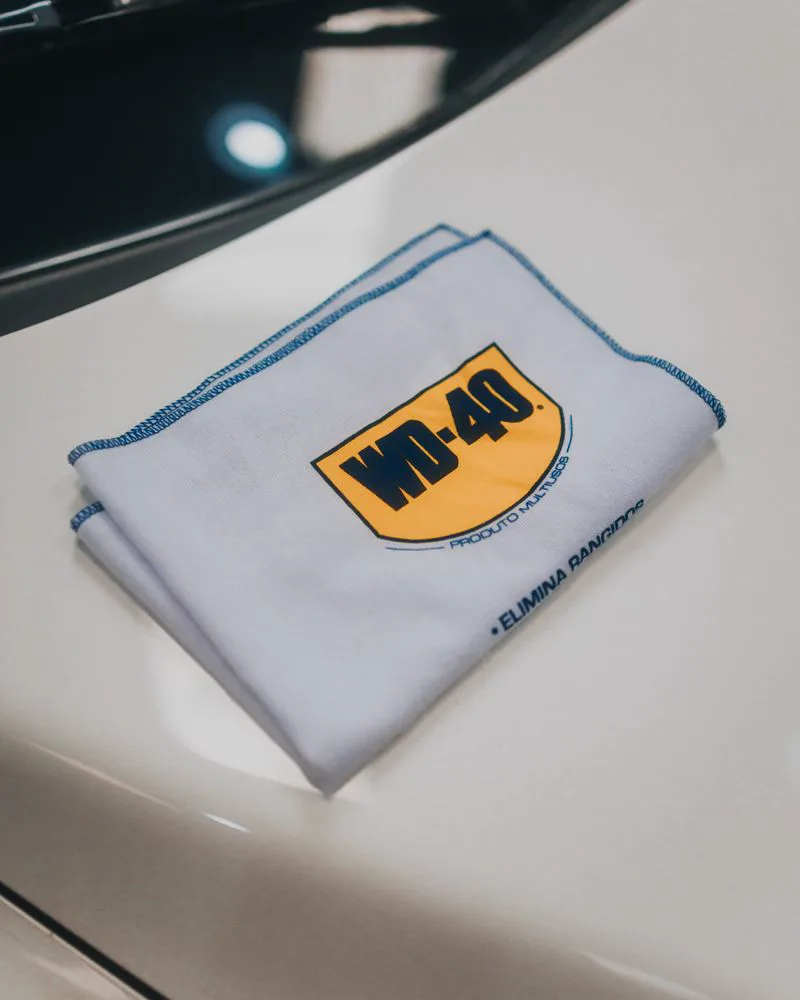
Shop rags are a working consumable, and they are specified by what they have to absorb rather than by how they look. A garage wiping oil, a machine shop wiping coolant, a paint shop wiping solvent and a factory wiping dust are four different products that all get called a rag.
That is the mistake that costs buyers money. A rag chosen for water absorbency is often poor at lifting oil; a rag chosen for oil holds onto it and smears it; a rag chosen for dry dusting needs a different surface entirely. Getting the fibre and the construction right for the actual wiping task is worth more than shaving a few cents off the unit price.
HotelsLinen manufactures shop rags bulk in cotton, microfiber and blended constructions from 500 pieces per style and colour. Buyers specify the fibre, the size, the weight, the colour, the edge finish, the pack count and the carton data, and we hold that specification for repeat orders.
The buyers are workshops and maintenance departments, garages and body shops, machine shops, print and paint shops, janitorial suppliers, cleaning contractors and distributors who resell into those markets. Most of them are on a reorder cycle rather than a project purchase, which is why consistency between batches matters more than any single order.
Colour carries more weight in this category than in hospitality. A workshop that keeps oil rags, coolant rags and clean-finish rags in the same bin will contaminate a finished surface sooner or later, and colour is the cheapest way to prevent it. Most industrial buyers run two to four colours and assign each to a task.
Lint is the second thing buyers underestimate. A rag that sheds fibre is unusable for glass, for painted surfaces and for anything going into a hydraulic or fuel system, regardless of how absorbent it is. Where the wiping task touches a finished or sealed surface, the construction has to be chosen for low lint rather than for maximum absorbency.
Our factory is in the Nantong Home Textile Zone in Jiangsu, China, with weaving, cutting, hemming, dyeing and packing in one supply chain. That matters for rags because most industrial programmes are bought on a repeat schedule, and holding a specification across reorders is the whole point.
Orders start at 500 pieces per style and colour with a typical four-week lead time. Send the wiping task, the fibre you have in mind, the size, the colour coding and the pack count, and we will quote within 24 hours.
Match the rag to what it has to absorb
The wiping task decides the specification. These are the four tasks industrial buyers most often separate, and what each one needs.
Oil and grease
Oil needs a rag that lifts and holds rather than spreading it around. Cotton terry and heavier woven cotton both work well; a smooth, tightly woven cloth tends to smear. Where the rag will be used on a machine bed or a floor, a heavier weight is worth the cost because it does not saturate through in one pass.
Coolant and water
Coolant is mostly water with additives, so absorbency capacity matters more than oil affinity. A mid-weight cotton or cotton-blend rag takes up more per piece, which means fewer rags per job and less handling. Microfiber also works here and dries faster between uses if the rags are laundered.
Dust and dry wiping
Dry dusting is a surface-contact problem rather than an absorbency problem. Microfiber holds dust by static and fine fibre structure where cotton mostly pushes it around. If the task is dusting a machine, a rack or a stored surface, microfiber is usually the better answer.
Solvent and surface preparation
Solvent wiping before painting, bonding or sealing is the task that punishes the wrong rag hardest, because lint and residue both cause defects downstream. These applications want a low-lint construction, and often a white or light colour so the buyer can see when the rag is loaded and when it is clean. Where the rag is used with solvent, it also has to be a rag that will not break down in use.
Cotton, microfiber or a blend
All three are made here. The choice follows the task, the number of times the rag can be reused and whether the buyer washes them or treats them as single-use.
Cotton
Cotton absorbs well, tolerates heat, stands up to being washed and reused, and is the traditional industrial rag. It is the right default for oil, coolant and general workshop wiping, and for buyers who launder rags rather than discarding them.
Microfiber
Microfiber is a polyester-polyamide blend that picks up dust and fine particles by structure rather than by soaking. It is lighter, dries far faster and does not leave the surface damp. It is the better choice for cleaning, dusting and surface preparation, and where the buyer wants a compact rag that can be laundered many times.
Blends
Cotton-polyester blends sit between the two: cheaper than pure cotton, more absorbent than microfiber, and slower to wear out than a light cotton rag. They are common in general-purpose programmes where the rag will be used across several tasks and thrown away rather than laundered.
Shop rag specification reference
A starting point for the specification conversation. The exact figures depend on the wiping task, how the rag is handled and whether it is laundered or discarded.
| Item | Common size | Common weight | Notes |
|---|---|---|---|
| General workshop rag | 30 x 30 cm or 35 x 35 cm | — | Cotton, for oil and general wiping |
| Heavy-duty oil rag | 40 x 40 cm | — | Heavier weight so it does not saturate through |
| Cleaning and dusting cloth | 30 x 30 cm | — | Microfiber for dust pickup and fast drying |
| Surface preparation cloth | 30 x 30 cm | — | Low lint, light colour so loading is visible |
| Fibre | — | — | Cotton · microfiber · cotton-polyester blend |
| Colour coding | — | — | Two to four colours, one per task |
| Edge | — | — | Hemmed or overlocked so it does not fray in use |
| Packing | — | — | Pieces per bag and per carton set for how the buyer resells or issues |
| MOQ | — | — | 500 pieces per style and colour |
| Lead time | — | — | About 4 weeks after sample approval |
Packing and private label for distributors
A large part of the shop rag market is sold on rather than used on site, so the packing is often the product.
Bag and carton counts
Distributors sell rags in fixed counts — by the bag, by the bale or by the carton — and the count has to match the price point on the shelf. Industrial end users instead want a count that matches a job or a shift. Both are settable; they are usually not the same number.
Carton data and markings
Carton dimensions, weight and markings are specified so a distributor can stack and identify stock without opening it, and so an end user can put the right colour in the right area.
Private label
Rags can carry a woven label or printed brand and be packed under a distributor brand rather than ours. Placement and label construction are proven on the sample so the labelled product is what goes into bulk production.
What You Get
Why Source Shop Rags Bulk From HotelsLinen
Specified by wiping task
Fibre and construction chosen for what the rag has to lift — oil, coolant, dust or solvent — rather than for a generic absorbency figure.
Cotton, microfiber and blends
All three constructions made here, so a programme can carry an oil rag and a dusting cloth under one supplier and one reorder schedule.
Low-lint options
Constructions chosen for surface preparation and finished-surface wiping, where a shed fibre causes a defect downstream.
Colour coding
Two to four colours assigned per task, with the shade held on file so replacement batches keep the system working.
Edge finish that survives use
Hemmed or overlocked edges so the rag does not fray into the surface it is wiping.
Packing for resale or for the shop floor
Bag and carton counts specified against how the buyer sells or issues the product, with the carton data and markings that go with it.
Private label
Woven label or printed branding and distributor packaging, proofed on the sample before bulk production.
Factory-direct tiered pricing
Quoted from the Nantong Home Textile Zone with 500-piece MOQ per style and colour and improving tiers above it.
Custom Manufacturing
Send your spec or sample and we make it to order with consistent quality at scale.
Custom Branding
Embroidered, woven-label and printed logos, plus private label packaging.
Factory-Direct MOQ
Start from 500 pieces per style and color, with a typical 4-week lead time.
FAQ
Common Questions
What is the MOQ for shop rags bulk?
Our standard minimum is 500 pieces per style and colour. Above that, price improves in tiers because the same setup covers more pieces. Most industrial programmes are bought on a repeat schedule, so it is worth telling us the first quantity and the annual volume together.
Should I choose cotton or microfiber shop rags?
It follows the task. Cotton absorbs oil and coolant well and tolerates laundering and heat, so it is the default for workshop wiping. Microfiber picks up dust and fine particles by structure, dries far faster and is better for cleaning, dusting and surface preparation.
What is the difference between a shop rag and a cleaning cloth?
Mostly the intended task and the construction behind it. A shop rag is usually specified for absorbency — oil, coolant, water — while a cleaning cloth is specified for dust and particle pickup, where microfiber usually wins. Buyers who run both separate them by colour.
Do shop rags leave lint?
It depends on the construction, and for some buyers it is the deciding factor. Cotton terry and loosely woven rags shed fibre; tighter constructions and microfiber shed much less. If the rag touches a painted surface, glass or a hydraulic or fuel system, choose for low lint rather than for maximum absorbency.
Can shop rags be washed and reused?
Cotton and microfiber rags both can be, and many buyers launder them several times before discarding. Blended rags are usually treated as general-purpose and discarded. Tell us whether the rags will be laundered, because it changes the weight and the edge finish worth specifying.
Can you supply colour-coded rags?
Yes, and it is the cheapest way to stop an oil rag being used on a finished surface. Most industrial buyers run two to four colours with one assigned per task. We hold the shade against a reference so a replacement batch does not break the system.
How are shop rags packed?
Bag and carton counts are specified against the buyer model. Distributors usually want a fixed retail or shelf count; end users usually want a count that matches a job or a shift. Carton dimensions, weight and markings are set with it.
Can shop rags be sold under our own brand?
Yes. Woven labels and printed branding are both available, with packaging built around a distributor brand rather than ours, and the label construction proofed on the sample first.
What is the lead time for a bulk order?
About four weeks after the sample and specification are approved. Dyeing — for coloured rags — and any branding are the two steps most likely to move the date.
What should I send for a shop rags quote?
The wiping task, the fibre you have in mind, the size and weight, the colour coding, the pack count, and the first quantity plus the annual volume. A photograph of the rag currently in use also helps, because it usually identifies the construction faster than a description.
Keep Exploring
Related Products

Bar Towels Bulk
Bar towels bulk and wholesale bar mops for restaurants, bars, hotel kitchens and catering teams.
View →
Microfiber Towels Wholesale
Microfiber towels wholesale — bulk gym, cleaning and car wash towels made to order.
View →
Cotton Towels Wholesale
Cotton towels wholesale — bulk cotton terry towels made to your yarn, weight and shade specification.
View →
Restaurant Towels Wholesale
Restaurant linens wholesale — table linen, napkins, bar mops and kitchen towels from one supplier.
View →Need a Quote on Shop Rags Bulk?
Tell us your target quantity, fiber and branding — we respond within 24 hours.
Get a Quote