Bulk Towels
Microfiber Towels Wholesale
Microfiber towels wholesale — bulk gym, cleaning and car wash towels made to order.
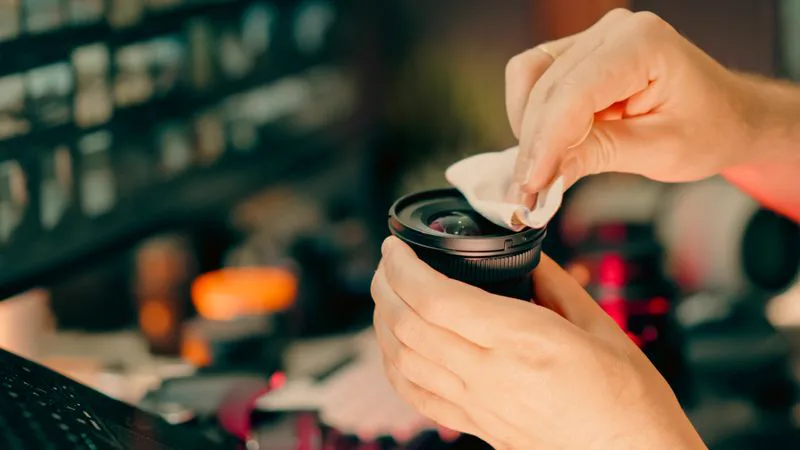
Microfiber is not a lighter towel. It is a different material doing a different job, and the buying decisions are different too: denier instead of GSM, blend ratio instead of yarn type, and a wash regime that will destroy the towel in three cycles if it is treated like cotton.
The material is a polyester-polyamide blend, usually around 80/20, extruded into fibres far finer than a human hair. Those fibres are split so that each strand carries many microscopic wedges, and it is the wedges rather than the loop structure that pick up water, oil and dust. That is why a microfiber cloth weighing a fraction of a terry towel takes up more water per gram and dries in roughly a third of the time.
HotelsLinen manufactures microfiber towels wholesale to a written specification from 500 pieces per style and colour. Buyers fix the blend ratio, the weight, the size, the colour and the edge finish, and we hold the specification for re-orders.
The buyers are gyms and fitness clubs, car wash and detailing businesses, cleaning contractors and janitorial distributors, hotels buying utility and housekeeping stock, salons, and distributors supplying any of those. Microfiber is bought as a working consumable, so the specification is driven by the task and by how many times the cloth can be laundered before it stops working.
Where microfiber wins is where drying speed, weight and particle pickup matter: cleaning and dusting, glass, car interiors and paintwork, gym and studio towels, and any application where a heavy wet towel is the wrong tool. It holds dust by static and structure rather than pushing it around, which is why it outperforms cotton on dry surfaces.
Where microfiber fails is where people expect it to behave like cotton. It is not a guest bathroom towel: it does not feel like terry against skin and it will not give the plush impression a hotel bathroom is meant to give. It also has a low tolerance for heat and for bleach, and it must not be washed with fabric softener, which coats the fibres and permanently destroys the pickup.
The single most common reason a microfiber programme disappoints is the wash regime. Washed hot with softener, a good cloth stops working within a handful of cycles and the buyer concludes the material is poor. Washed correctly — warm, no softener, no bleach, separated by colour — the same cloth will launder hundreds of times.
Our factory is in the Nantong Home Textile Zone in Jiangsu, China. Orders start at 500 pieces per style and colour with a typical four-week lead time after the sample and specification are approved, and we will quote within 24 hours of receiving the brief.
What microfiber is, and why it behaves differently
The difference is in the fibre, not in the weight. Understanding it explains every other decision on this page.
What it is made of
Microfiber is a blend of polyester and polyamide, most often around 80 per cent polyester and 20 per cent polyamide. The fibres are extruded very fine and then split, so a single strand presents many microscopic edges. The polyamide component is what makes the fibre absorbent; polyester alone does not take up water well.
How it picks up water and dust
Cotton absorbs by soaking into a hollow, looped structure. Microfiber absorbs by capillary action across the split wedges, which gives it far more surface area per gram. The same structure is why it lifts dust and oil rather than pushing them around, and why it works better than cotton on a dry surface.
Why it dries so fast
There is much less water held per gram and the fibre does not swell the way cotton does, so a microfiber towel gives up its water quickly. In a club or a car wash where the constraint is drying and turnaround rather than washing, that is the property that changes the whole operation.
Microfiber towel specification reference
The ranges we build to most often. The final figures follow the task and the number of times the cloth has to launder.
| Item | Common size | Common weight | Notes |
|---|---|---|---|
| Cleaning and dusting cloth | 30 x 30 cm or 40 x 40 cm | 250–350 GSM | Highest pickup; launders many times |
| Glass cloth | 40 x 40 cm | — | Smooth weave, no lint, no streaks |
| Gym and studio towel | 40 x 80 cm or 50 x 100 cm | — | Light and compact; dries in a fraction of terry |
| Car wash and detailing towel | 40 x 60 cm or 50 x 80 cm | 300–500 GSM | Plush or waffle weave for paintwork |
| Blend ratio | — | — | Around 80/20 polyester-polyamide for pickup |
| Edge finish | — | — | Overlocked, or ultrasonic cut for a lint-free edge |
| Colour | — | — | Colour-coding per task; never wash dark with light |
| Packing | — | — | Bag and carton counts set for how the buyer issues or resells |
| MOQ | — | — | 500 pieces per style and colour |
| Lead time | — | — | About 4 weeks after sample approval |
Where microfiber wins and where it fails
Most disappointing microfiber programmes were the right product in the wrong place, or the right product washed wrongly.
Gyms, studios and high-turnaround use
Where towels are issued and returned in volume, microfiber changes the arithmetic: far more pieces fit in the same locker, the same trolley and the same drier load. A club whose laundry is the constraint can usually increase its effective towel fleet by switching, without buying any equipment.
Cleaning, dusting and glass
This is where microfiber has no real competitor. It lifts dust and fine particles by structure, needs no chemical on a lightly soiled surface, and leaves glass and stainless without the lint a cotton cloth leaves behind. Cleaning contractors specify it for exactly that reason.
Why it is not a guest bathroom towel
A hotel bathroom towel has a job beyond drying: it is part of how the room presents. Microfiber does not feel like terry against skin and does not give the plush impression a guest expects, so using it in the guest bathroom is a false economy that guests notice. It belongs on the gym floor, in the kitchen and in housekeeping.
Heat, bleach and softener
Microfiber has a low tolerance for high temperature and for bleach, both of which damage the fine fibres. Fabric softener is worse: it coats the fibres and blocks the capillary structure permanently, so a softener-washed cloth stops picking up and cannot be recovered. Warm wash, no softener, no bleach, separated by colour.
Washing microfiber so it keeps working
This section is short and it is the one that decides whether a programme succeeds.
No fabric softener, ever
Softener is designed to coat fibres to make them feel soft, which is precisely what destroys microfiber function. Once coated, the cloth cannot be restored. Where a laundry also processes cotton, microfiber has to be washed as a separate load rather than with the general stock.
Temperature and chemicals
Warm rather than hot, and a mild detergent without bleach. High temperature accelerates wear on the fine fibres, and bleach attacks them directly. A microfiber cloth treated this way will launder hundreds of times; treated like cotton, it will stop working within a handful of cycles.
Separating by colour
Microfiber picks up dye from other items in the wash far more readily than cotton, and a cloth that has picked up colour will transfer it to the next surface it touches. Colour-coded sets should be washed as separate loads, which is also why colour coding and washing discipline go together.
What You Get
Why Source Microfiber Towels Wholesale From HotelsLinen
Specified by task, not by weight
Blend ratio, weight and weave chosen for what the cloth has to pick up — water, oil, dust or glass — rather than as a lighter version of a cotton towel.
Around 80/20 blend
Polyester-polyamide at the ratio that gives the capillary pickup, with the polyamide content doing the absorbing.
Dries in a fraction of the time
Far less water held per gram, so a club or car wash constrained by drying can raise its effective throughput without new equipment.
Lint-free on glass and stainless
Smooth and waffle weaves for glass, screens and polished metal, where a cotton cloth leaves fibre behind.
Colour coding per task
Separate colours for separate tasks and separate wash loads, because microfiber picks up dye from other items in the machine.
Edge finishes for the job
Overlocked for general cleaning, ultrasonic cut where a completely lint-free edge is required.
Packing for resale or issue
Bag and carton counts set against how the buyer sells the cloth or issues it to a cleaning team.
Factory-direct tiered pricing
Quoted from the Nantong Home Textile Zone with 500-piece MOQ per style and colour and improving tiers above it.
Custom Manufacturing
Send your spec or sample and we make it to order with consistent quality at scale.
Custom Branding
Embroidered, woven-label and printed logos, plus private label packaging.
Factory-Direct MOQ
Start from 500 pieces per style and color, with a typical 4-week lead time.
FAQ
Common Questions
What is the MOQ for microfiber towels wholesale?
Our standard minimum is 500 pieces per style and colour. Microfiber programmes usually cover several sizes and colours — a cleaning cloth, a glass cloth and a gym towel — which can be combined once the specification is agreed.
Are microfiber towels better than cotton?
They are different tools. Microfiber picks up dust and oil by structure, dries in a fraction of the time and needs no chemical on lightly soiled surfaces. Cotton feels better against skin, tolerates heat and bleach, and is what a guest expects in a bathroom. Most buyers use both, for different tasks.
Why did my microfiber towels stop absorbing?
Almost always fabric softener. Softener coats the fibres to make them feel soft, which blocks the capillary structure that does the absorbing, and the cloth cannot be recovered once coated. High temperature and bleach also accelerate the loss. Wash warm, mild detergent, no softener, no bleach.
Why is microfiber not used as a hotel bathroom towel?
Because a bathroom towel is part of how the room presents, not only a drying tool. Microfiber does not feel like terry against skin and does not give the plush impression guests expect. It belongs on the gym floor, in housekeeping and in the kitchen, not in the guest bathroom.
How many times can a microfiber cloth be washed?
Washed correctly — warm, no softener, no bleach, separated by colour — a good cloth will launder hundreds of times. Treated like general cotton stock, it can stop working within a handful of cycles. The wash regime matters more for microfiber than for any other towel in the range.
What sizes do microfiber towels come in?
Cleaning and dusting cloths are commonly 30 x 30 cm or 40 x 40 cm; glass cloths around 40 x 40 cm; gym and studio towels 40 x 80 cm or 50 x 100 cm; and car wash or detailing towels 40 x 60 cm and larger. The size follows the task and the drying setup.
Can microfiber towels be colour-coded?
Yes, and with microfiber it matters more than with cotton. Microfiber picks up dye from other items in the wash, so colour-coded sets need to be washed as separate loads. That is why colour coding and wash discipline are specified together.
Do microfiber towels leave lint?
Much less than cotton, and with an ultrasonic-cut edge effectively none. That is why microfiber is specified for glass, screens, stainless and any surface where a shed fibre is a defect rather than an annoyance.
How are microfiber towels packed?
Bag and carton counts are specified against how the buyer sells or issues the cloth, with carton dimensions, weight and markings set for your receiving area.
What is the lead time?
About four weeks after the sample and specification are approved. Dyeing for coloured sets and any branding are the two steps most likely to move the date.
Keep Exploring
Related Products

Cotton Towels Wholesale
Cotton towels wholesale — bulk cotton terry towels made to your yarn, weight and shade specification.
View →
Egyptian Cotton Towels Wholesale
Egyptian cotton towels wholesale — extra-long staple terry towels for hotels, spas and retail brands.
View →
Turkish Cotton Towels Wholesale
Turkish cotton towels wholesale — long-staple terry and peshtemal towels for hotels, spas and brands.
View →Need a Quote on Microfiber Towels Wholesale?
Tell us your target quantity, fiber and branding — we respond within 24 hours.
Get a Quote