Bulk Towels
Kitchen Towels Wholesale
Kitchen towels wholesale — commercial kitchen and bar towels built for grease, heat and heavy laundering.
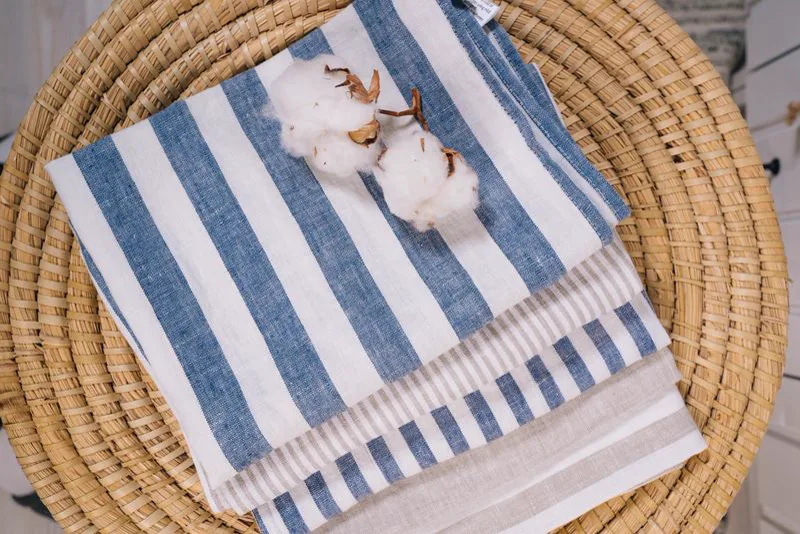
A kitchen towel is the hardest-working piece of linen in any food operation. It is used to dry hands, hold hot pans, wipe surfaces and mop up spills, it is washed at the highest temperature in the building, and it is expected to come back white after a day of grease. Nothing else in the linen room takes that combination.
That changes the specification. A kitchen towel is not chosen for how it feels or how it looks on a shelf; it is chosen for how it releases grease, how it survives bleach and high temperature, and how quickly it can be replaced. It is a consumable, and the right question is how many washes it takes to stop working.
HotelsLinen manufactures kitchen towels wholesale to a written specification from 500 pieces per style and colour — flat and terry kitchen towels, bar mops, glass cloths and utility cloths, in cotton, cotton-rich, blends and microfibre. Buyers fix the fabric, the weave, the size, the colour coding and the branding.
The buyers are restaurants and hotel kitchens, contract caterers, bars and pubs, bakeries and food production, care home and hospital catering, and distributors supplying any of those. Kitchen towels are bought on a short repeat cycle and withdrawn on appearance and hygiene rather than on wear, so the replacement rate is high and predictable.
The two common constructions are flat woven and terry, and the choice follows the job. A flat woven towel is smooth, absorbs by wicking, leaves less lint and is the usual choice for drying glassware and cutlery. A terry towel holds more water and is better for spills and hands, and it is the more common general-purpose kitchen towel.
Colour coding is the specification that matters most for hygiene and costs the least to do. A cloth used on raw meat should never reach a clean surface, and colour is the cheapest way to enforce that in a busy kitchen where cloths are picked up and put down constantly. It is much easier to set at the order than to retrofit.
Fibre choice is a trade-off rather than a ranking. All-cotton absorbs best and tolerates the highest wash temperature but is the slowest to dry and the most affected by bleach over time. Cotton-rich blends are cheaper and dry faster. Microfibre is the lightest and dries fastest, and it must not be washed with softener, which permanently blocks its pickup.
Our factory is in the Nantong Home Textile Zone in Jiangsu, China. Orders start at 500 pieces per style and colour with a typical four-week lead time after the sample and specification are approved.
Flat weave or terry
Flat woven
Smooth, absorbs by wicking and sheds very little lint, which makes it the usual choice for drying glassware, cutlery and anything a fibre would be visible on. It dries faster than terry and takes less space in a drawer, and it is the towel a kitchen reaches for when the job is drying rather than mopping.
Terry
Looped on both faces, so it holds more water and absorbs faster, which suits spills, hands and general kitchen work. It is the more common general-purpose kitchen towel. The trade-off is that a looped surface holds grease and food residue more tenaciously, so it needs a harder wash.
Bar mops and glass cloths
Bar mops sit between the two: absorbent, a size that works in the hand, and washed constantly. Glass cloths are a separate specification again, because a cloth used on glass must not leave lint, which points to microfibre or a smooth woven cloth rather than terry.
Where kitchen towels fail
They go grey rather than thin. Bleach and high temperature take the colour out, grease builds up in the fibre even when the towel looks clean, and eventually the towel stops drying because the fibre is coated. That is the point at which it leaves service, and it is why kitchen towels are replaced on a cycle rather than on wear.
Kitchen towel specification reference
| Item | Common size | Common construction | Notes |
|---|---|---|---|
| Kitchen towel | 40 x 60 cm or 50 x 70 cm | Cotton terry or flat woven | General purpose; washed at the highest temperature |
| Bar mop | 40 x 50 cm | Cotton terry or cotton-rich | Absorbent; washed constantly |
| Glass cloth | 40 x 40 cm | Microfibre or smooth woven | Must not leave lint |
| Utility cloth | 30 x 30 cm or 40 x 40 cm | Microfibre or cotton-rich | Colour-coded; bought in volume |
| Fibre | — | — | Cotton · cotton-rich · blends · microfibre |
| Colour | — | — | Colour-coded per zone; never washed together |
| Bleach tolerance | — | — | White cotton takes bleach best; blends and microfibre do not |
| Edge | — | — | Hemmed; a cut edge frays from the first wash |
| Branding | — | — | Woven label where the towel is branded at all |
| MOQ | — | — | 500 pieces per style and colour |
Grease, bleach and temperature
Why kitchen towels go grey
Bleach and high temperature strip colour over repeated cycles, and grease builds up inside the fibre even when the towel looks clean. Eventually the fibre is coated enough that the towel stops absorbing, which is when it leaves service rather than when it wears through.
Bleach tolerance by fibre
White cotton tolerates bleach best and is the usual choice in a kitchen where whites are run hot. Blends are more affected over time, and microfibre should not be bleached at all. Where a kitchen runs bleach, the fibre choice should be made with that in mind rather than chosen on price.
The highest temperature in the building
Kitchen linen is usually washed at the highest temperature and with the strongest chemistry in the operation. That is good for hygiene and hard on fabric, which is why kitchen towels are bought as consumables on a fast cycle rather than as durable stock.
Separating from front of house
Grease and food residue from the kitchen should not go into the same wash as napkins and table linen. Different temperatures, different chemistry and different soil loads mean the two are better washed separately, even though both end up as white cotton.
Colour coding and hygiene
The cheapest hygiene control
A cloth used on raw meat must never reach a clean surface, and colour is the simplest way to enforce that in a busy kitchen. It costs nothing at the order stage and is difficult to impose once a kitchen has a stock of identical white cloths in circulation.
Separate colours, separate washes
Colour coding only works if the colours are also washed separately, because a red cloth washed with whites will turn the whites pink and undo the system. That makes colour coding a wash discipline as much as a purchasing decision, and it is worth agreeing with the laundry before the order.
Sizes that work in the hand
A kitchen towel is picked up and put down constantly, often wet and often with one hand. A size that is too large is awkward and one that is too small is not absorbent enough for the job, which is why 40 x 60 cm to 50 x 70 cm covers most kitchen use and smaller sizes are used for cloths rather than towels.
What to send for a quotation
The jobs the towels do, whether the kitchen runs bleach, the wash temperature, the colour coding required, the sizes, and the replacement rate you expect. The bleach and temperature answers decide the fibre before price is discussed.
What You Get
Why Source Kitchen Towels Wholesale From HotelsLinen
Flat weave and terry
A smooth flat-woven towel that leaves almost no lint for glassware and cutlery, or a terry towel that holds more water for spills and hands.
Specified for the wash, not the shelf
Fibre chosen against the temperature and chemistry the kitchen actually runs, because that is what decides how many cycles a towel survives.
Bleach tolerance addressed
White cotton where a kitchen runs bleach, blends where it does not, and no bleach on microfibre — decided before price rather than after.
Colour coding per zone
Separate colours for raw, clean and general work, which is the cheapest hygiene control in a kitchen and hard to retrofit.
Consumable economics
Kitchen towels priced and ordered as a fast-cycle consumable, because they leave service when they stop absorbing rather than when they wear out.
Bar mops and glass cloths
The related items specified together, so the bar and the pass are not buying from a different supplier on a different colour.
Sizes that work one-handed
Dimensions matched to how the towel is actually picked up and used, often wet and often with one hand free.
Factory-direct tiered pricing
Quoted from the Nantong Home Textile Zone with 500-piece MOQ per style and colour and improving tiers above it.
Custom Manufacturing
Send your spec or sample and we make it to order with consistent quality at scale.
Custom Branding
Embroidered, woven-label and printed logos, plus private label packaging.
Factory-Direct MOQ
Start from 500 pieces per style and color, with a typical 4-week lead time.
FAQ
Common Questions
What is the MOQ for kitchen towels wholesale?
Our standard minimum is 500 pieces per style and colour. Kitchens normally order towels, bar mops and cloths together, and where colour coding is used each colour is a separate line that can be combined in one order.
Flat weave or terry for a kitchen towel?
Flat woven is smooth, absorbs by wicking and leaves very little lint, so it suits drying glassware and cutlery. Terry holds more water and absorbs faster, which suits spills, hands and general kitchen work, but a looped surface holds grease more tenaciously and needs a harder wash.
Why do kitchen towels go grey?
Bleach and high temperature strip colour over repeated cycles, and grease builds up inside the fibre even when the towel looks clean. Eventually the fibre is coated enough that the towel stops absorbing, and that is when it leaves service rather than when it wears through.
Can kitchen towels be bleached?
White cotton tolerates bleach best and is the usual choice where whites are run hot. Blends are more affected over time and microfibre should not be bleached at all. Where a kitchen uses bleach, the fibre should be chosen with that in mind rather than on price alone.
Why should kitchen towels be colour-coded?
Because a cloth used on raw food should never reach a clean surface, and colour is the simplest way to enforce that in a busy kitchen. It costs nothing at the order stage and is difficult to impose once a kitchen has identical white cloths in circulation.
Should kitchen towels be washed with the napkins?
Better not. Kitchen linen carries grease and food residue and usually needs a higher temperature and stronger chemistry than front-of-house linen, so the two are better washed separately even though both may be white cotton.
What size are kitchen towels?
Commonly 40 x 60 cm or 50 x 70 cm for a general-purpose towel, with bar mops around 40 x 50 cm, glass cloths around 40 x 40 cm and utility cloths 30 x 30 cm to 40 x 40 cm. The size follows how the towel is picked up and used, often wet and often one-handed.
How often do kitchen towels need replacing?
On a fast and predictable cycle, because they are withdrawn when they stop absorbing rather than when they wear through. Grease build-up inside the fibre is what ends their life, and it is accelerated by high temperature and heavy bleaching.
Do you supply bar mops and glass cloths as well?
Yes, and they are separate specifications. Bar mops need absorbency and a size that works in the hand and are washed constantly. Glass cloths must not leave lint, which points to microfibre or a smooth woven cloth rather than terry.
What is the lead time?
About four weeks after the sample and specification are approved. Dyeing for colour-coded sets and any branding are the steps most likely to move the date.
Keep Exploring
Related Products
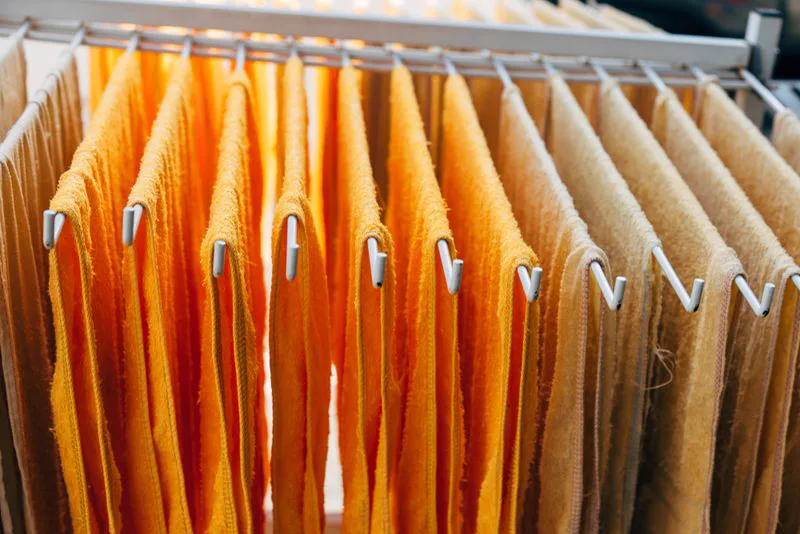
Bath Towels Wholesale
Bath towels wholesale and bulk bath towels made to order for hotels, resorts, spas and distributors.
View →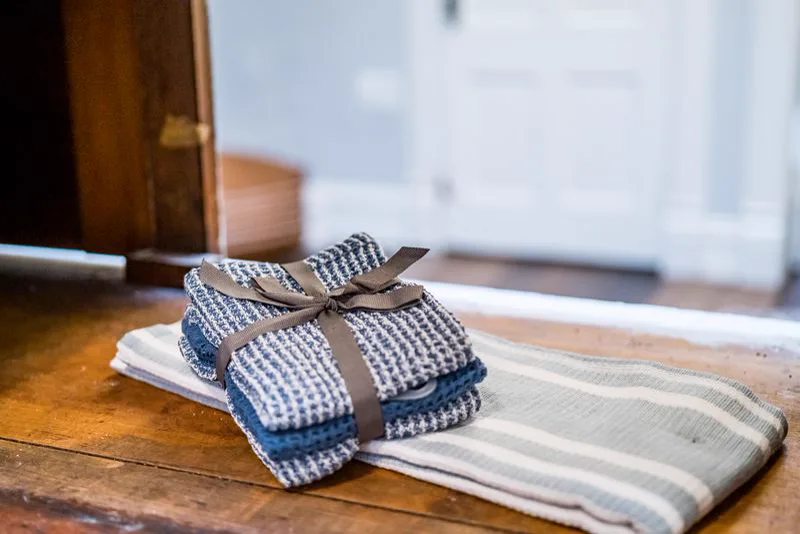
Hand Towels Wholesale
Hand towels wholesale — hotel bathroom and washroom hand towels, matched to your towel specification.
View →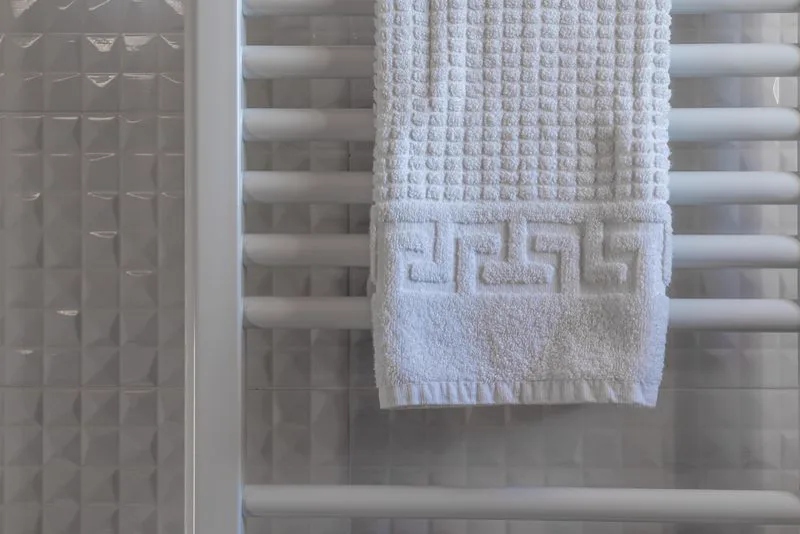
Bath Sheets Wholesale
Bath sheets wholesale — oversized bath towels for suites, spas and upscale bathrooms, made to order.
View →Need a Quote on Kitchen Towels Wholesale?
Tell us your target quantity, fiber and branding — we respond within 24 hours.
Get a Quote